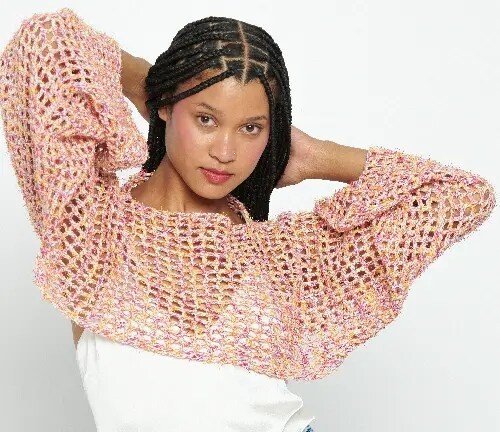
15 Free basic knitting patterns
Are you just getting started with knitting? If you are looking for free easy knitting patterns, or just some relaxing projects to build your skills, you’re in the right place. Today, we’re diving into 15 free basic knitting patterns that are perfect for beginners. Each project helps you practice the essentials—like the knit stitch, purl stitch, and casting on—while creating something beautiful and wearable. Whether you’re knitting a cozy scarf, a simple hat, or a textured dishcloth, these patterns will get your creative energy flowing.
Why Start with Free Basic Knitting Patterns
Knitting can seem intimidating at first, but free basic knitting patterns make the learning process easy and budget-friendly. They let you experiment with different yarns, textures, and styles without investing in expensive kits or classes. These projects use simple stitches and straightforward techniques, making them achievable even for total beginners.
Benefits of starting with beginner-friendly patterns:
- Build confidence and muscle memory.
- Learn core knitting techniques: knit, purl, increase, and decrease.
- Finish projects quickly and feel accomplished.
- Create practical, gift-worthy items.
Let’s explore 15 of the best free basic knitting patterns available online, complete with tutorials, photos, and downloadable PDFs.
1. Simple Garter Stitch Scarf – All About Ami

This timeless free pattern is perfect for your very first project. The Simple Garter Stitch Scarf by All About Ami uses only knit stitches—no purling required!
Why it’s great: Garter stitch lies flat, feels plush, and looks good in nearly any yarn color. You’ll master tension and consistency while making a scarf you’ll actually wear.
Skill level: Absolute beginner
Materials: Medium-weight yarn, size US 8 needles
2. How to Knit a Scarf for Beginners (Video Tutorial)

If you prefer to learn visually, this YouTube tutorial walks you through every step of making a simple scarf.
Why it’s great: Perfect for visual learners. Pause and replay as needed until you get the hang of each stitch.
Pro tip: Pair this video with a cozy playlist and make it an evening ritual—knitting is incredibly meditative!
3. Free Scarf Pattern Roundup – Sarah Maker

Sarah Maker’s roundup features 25+ free scarf knitting patterns for beginners. Pick one that suits your style—from chunky textures to elegant lightweight wraps.
Blog use idea: Feature your top five from this list and share your results with styling photos.
4. The nOOb Hat (Free PDF) – On The Needles

The nOOb Hat pattern is a beginner-friendly beanie knit flat and seamed at the end.
Why it’s great: It introduces shaping through simple decreases, teaching you how to form a 3D project.
Skill level: Beginner
Materials: Bulky yarn, US 10 needles
5. Easy Knit Beanie (In the Round) – Craft Fix

If you’re ready to try circular needles, Craft Fix’s free pattern walks you through easy free hat knitting patterns in every size, made in the round.
Why it’s great: No seaming required! You’ll learn how to join your work and decrease neatly at the top.
6. Easy Hat on Straight Needles – Craft Fix

Not ready for circular needles? Try the straight-needle hat pattern. It’s one of the best free basic knitting patterns for beginners who want a wearable project without new tools.
Why it’s great: You can practice shaping and seaming while still using beginner-friendly materials.
7. Beginner Hat Patterns Collection – Yarnspirations

Browse Yarnspirations’ beginner hat patterns for a variety of simple projects—ribbed, chunky, and slouchy hats.
Why it’s great: You can find patterns for all ages and skill levels. Plus, their PDFs are printer-friendly and include yarn recommendations.
8. Easiest Knit Dishcloth – Six Clever Sisters

This dishcloth pattern is a small, square project that knits up fast.
Why it’s great: Great for practicing knit and purl combinations. Plus, it’s useful—a perfect little gift or eco-friendly kitchen swap.
9. Knitted Dishcloth Roundup – Nourish and Nestle

Try five free knitted dishcloth patterns to explore textures like seed stitch and basketweave.
Why it’s great: It teaches how stitch patterns affect stretch and texture—knowledge that will help you with garments later.
10. Simple Garter Stitch Shawl – Nimble Needles

The Nimble Needles tutorial shows how to knit a triangular shawl from scratch, including shaping and edges.
Why it’s great: You’ll learn how to increase stitches while maintaining symmetry—a must for shawls, wraps, and ponchos.
11. 30 Free Shawl Patterns – Sarah Maker

Explore Sarah Maker’s collection of free knitting patterns to find everything shawls: from lightweight summer wraps to cozy winter knits.
Blog idea: Compare three shawl shapes (triangle, rectangle, crescent) and discuss which works best for different outfits.
12. The Easy Beanie (Free PDF) – The Knit Mix

The Easy Beanie Pattern is a beginner-friendly staple.
Why it’s great: You can adjust length and ribbing for different looks—from fitted to slouchy.
Pro tip: Use a neutral wool blend for a versatile winter accessory.
13. Hat & Beanie Roundup – Lion Brand Yarn

Lion Brand’s hat pattern collection includes dozens of free basic knitting patterns for beanies and slouchy hats as well as things for mans best friend!
Why it’s great: You can knit for the whole family—most patterns come in multiple sizes.
14. Free Knit Scarf Collection – Michaels

Explore MIchaels free scarf knitting patterns for timeless designs.
Why it’s great: They offer trendy, fashion-forward options that complement your wardrobe—perfect for featuring on a creative fashion blog.
15. Free Shawl and Wrap Patterns – Lion Brand

Finally, check out Lion Brand’s wrap and shawl collection for gorgeous layering pieces.
Why it’s great: These patterns are elegant and simple—ideal for learning increases, decreases, and blocking.
Tips for Success with Free Basic Knitting Patterns
- Start with the right tools: Use medium-weight yarn (like worsted) and size 8 needles for best beginner results.
- Read through the pattern before starting: Understanding the structure helps avoid surprises.
- Practice tension: Even stitches make your finished project look professional.
- Don’t rush: Knitting is as much about the journey as the result.
- Join online knitting communities: Sites like Ravelry or Reddit’s r/knitting are great for support and advice.
These free basic knitting patterns prove you don’t need to spend money to make something beautiful. From scarves to hats to shawls, every stitch builds your skill and confidence. As your collection grows, you can start designing your own fashion-inspired knits, matching your handmade creations to your personal style.
If you enjoyed this list, consider bookmarking or sharing this easy knitting patterns free post with fellow beginners. For more creative cozy tutorials and DIY inspiration, explore the different DIY craft sections of Creative Fashion Blog. You’ll find guides on things like how to make your own DIY knee high socks and more free patterns like this wide leg pants pattern tutorial! Happy Crafting!