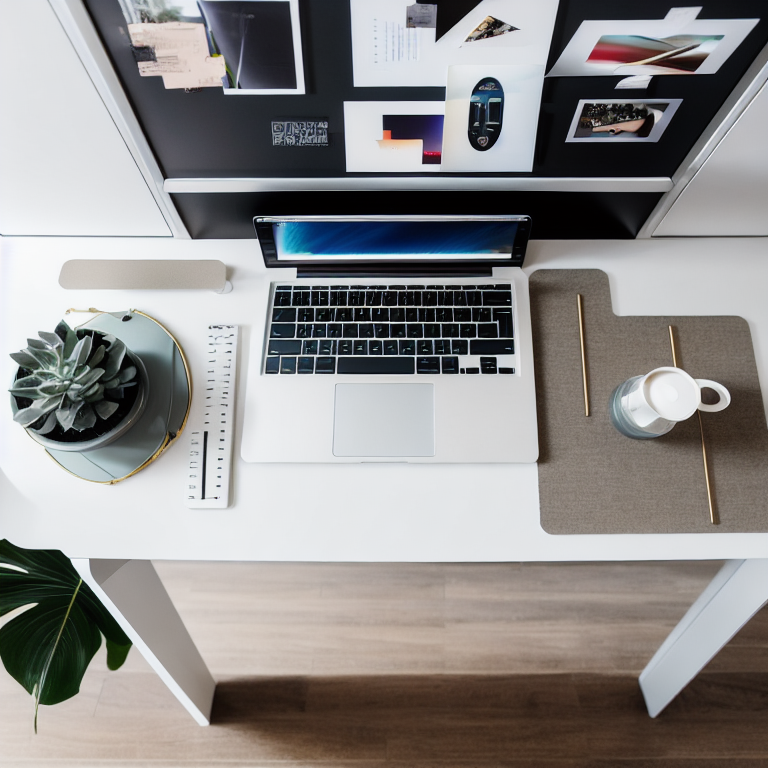
Minimalism in design is more than simply using fewer elements. It is about making every element meaningful and purposeful. When unnecessary elements are removed, the remaining design becomes clearer, stronger, and more impactful. This approach has influenced everything from logos and websites to product packaging and digital interfaces.
In today’s digital world, where users are constantly exposed to information, minimalist design helps create a calm and focused visual experience.
Why Minimalism Works in Design
Think about the last time you visited a website that felt cluttered and confusing. Your eyes probably moved around the screen searching for where to focus. Too many colors, fonts, and images can overwhelm users.
Now imagine a clean page with plenty of white space, clear typography, and only essential elements. The content becomes easier to understand and more enjoyable to explore.
That is the power of minimalist design — it guides the viewer naturally and reduces distractions.
The Origins of Minimalist Design
Minimalism has roots in early 20th-century design movements such as Bauhaus. Designers believed that:
“Form should follow function.”
This means that every design element should serve a clear purpose. Decorative elements that do not add value are often removed.
This philosophy continues to influence modern design today, especially in web design, branding, and product development.
The Power of White Space
White space, also known as negative space, is one of the most important elements of minimalist design.
White space is not empty or wasted space. Instead, it gives design elements room to breathe and makes them easier to notice.
For example:
-
A single bold headline with large spacing can attract more attention than multiple competing headlines.
-
A clean layout helps users focus on the most important information.
When used correctly, white space improves readability and visual balance.
Minimalism and Color Choices
Minimalist designs usually use a limited color palette. Instead of using many colors, designers often focus on:
-
One primary color
-
Neutral background colors
-
One accent color for highlights
This approach makes each color more meaningful.
For example, a bright button on a simple white background immediately draws attention because nothing else competes with it.
The Role of Typography
Typography plays a major role in minimalist design.
Because there are fewer visual elements, the font choice becomes more important. Clean and modern typefaces usually work best.
Popular minimalist fonts include:
-
Helvetica
-
Futura
-
Open Sans
-
Roboto
Spacing between letters and lines is also important. Proper spacing improves readability and gives the design a more polished appearance.
Attention to Detail
Minimalist design leaves little room for mistakes.
When there are only a few elements on a page, every detail becomes more noticeable. Small problems such as misalignment, poor image quality, or inconsistent spacing can stand out immediately.
This is why professional minimalist designs focus heavily on precision and consistency.
Minimalism and User Experience
Minimalism is not just about visual style. It also improves user experience (UX).
A clean interface allows users to find what they need quickly and easily. Clear navigation and simple layouts reduce confusion and make websites more enjoyable to use.
Many modern apps and platforms use minimalist design because it improves usability.
The Psychology Behind Minimalism
Human brains naturally prefer order and simplicity.
When people see cluttered designs, their brains must process more information. This increases mental effort and can lead to frustration.
Minimalist designs reduce cognitive load, making the experience more comfortable and efficient.
This is why many users feel more relaxed when interacting with simple, well-organized interfaces.
Minimalism in Branding
Minimalism has become extremely popular in branding.
Many successful companies use simple logos and clean brand identities. Examples include:
-
Apple
-
Nike
-
Google
These brands show that simplicity can create powerful recognition and strong visual identity.
Consistency across websites, packaging, and marketing materials is key to successful minimalist branding.
Minimalism in the Mobile Era
The rise of smartphones has made minimalist design even more important.
Small screens require clear and simple layouts. Designs that work well on large desktop screens may feel crowded on mobile devices.
Minimalist principles naturally support responsive design, ensuring content looks clean and readable on any device.
Minimalism Encourages Creativity
Some people believe minimalism limits creativity, but the opposite is often true.
By reducing unnecessary elements, designers can focus on:
-
creative layouts
-
strong typography
-
thoughtful color choices
-
subtle visual details
This focused approach often results in more refined and memorable designs.
A Practical Minimalism Exercise
If a design feels too busy, try this simple exercise:
Remove one element at a time and see if the design still works.
In many cases, several elements can be removed without affecting the message. This process helps identify what is truly essential.
The True Art of Minimalism
Minimalism is ultimately about intentional design.
It requires understanding your message clearly and having the confidence to keep only what truly matters.
When designers master this approach, they create work that is:
-
clearer
-
more elegant
-
more memorable
Designing with less often allows you to communicate more effectively.
✅ The art of minimalism teaches an important lesson:
simplicity, when used thoughtfully, can create the strongest impact.
About the Author