Category: DIY Projects

  • How to Create a Custom Chalkboard Wall at Home

    How to Create a Custom Chalkboard Wall at Home

    Ever dreamed of having a giant chalkboard wall where you can jot down ideas, create art, or leave fun messages for your family? A custom chalkboard wall is easier to make than you might think, and it adds both function and personality to any room. Whether you want a space for your kids to draw, a place to organize your thoughts, or just a cool design feature, this guide will walk you through every step so you can create a chalkboard wall you’ll love.

    What You’ll Need to Get Started

    Before you begin, gather all your supplies. You’ll need chalkboard paint (available in cans or spray form), painter’s tape, a roller or brush, a drop cloth to protect your floors, sandpaper, and a clean cloth. If you’re working on a smooth wall, you might also want a primer to help the paint stick better. Having everything ready before you start makes the process smoother and more fun.

    Choosing the Perfect Spot for Your Chalkboard Wall

    Picking the right location is key. Think about where you want your chalkboard—maybe in the kitchen for shopping lists, in a kid’s room for drawing, or in your home office for brainstorming. Make sure the wall is clean, smooth, and free from major imperfections. If you’re not sure about committing to a whole wall, you can start with a smaller section or even a framed area.

    Prepping Your Wall Like a Pro

    Preparation makes all the difference. Start by cleaning the wall with a damp cloth to remove dust and grime. If the surface is rough, lightly sand it so the paint goes on smoothly. Use painter’s tape to mark off the edges of your chalkboard area, pressing it down firmly so paint doesn’t bleed underneath. Lay down a drop cloth to catch any drips. Taking your time with prep means your final result will look polished and professional.

    Painting Your Chalkboard Wall

    Now comes the fun part—painting! Stir your chalkboard paint well before starting. Using a roller for large areas and a brush for edges gives the best finish. Apply the first coat in even, vertical strokes, and let it dry completely (usually a few hours, but check the paint can for specifics). Add a second coat for full coverage, and maybe even a third if needed. Patience here pays off with a smooth, rich black surface.

    Conditioning Your New Chalkboard Surface

    Once your paint is fully dry, you’ll want to condition the surface. This step helps prevent “ghosting,” where old drawings leave faint marks behind. Take a piece of chalk and rub it all over the wall, covering every bit of the painted area. Then, wipe it off with a soft, dry cloth. Now your wall is ready for all your creative ideas!

    Adding Creative Touches and Accessories

    Your chalkboard wall doesn’t have to be just black and white. Consider adding a colorful border with paint or washi tape, or hang a small shelf underneath for chalk and erasers. You can even use magnetic primer underneath the chalkboard paint to make your wall double as a magnet board. These little extras make your chalkboard wall even more useful and fun.

    Keeping Your Chalkboard Wall Looking Great

    Chalkboard walls are easy to maintain. For everyday cleaning, a soft, damp cloth works well. For tougher marks, a bit of mild soap and water should do the trick. Avoid using harsh chemicals, as they can damage the surface. Every so often, you might want to recondition the wall with a fresh coat of chalk to keep it looking its best.

    Creative Ideas for Using Your Chalkboard Wall

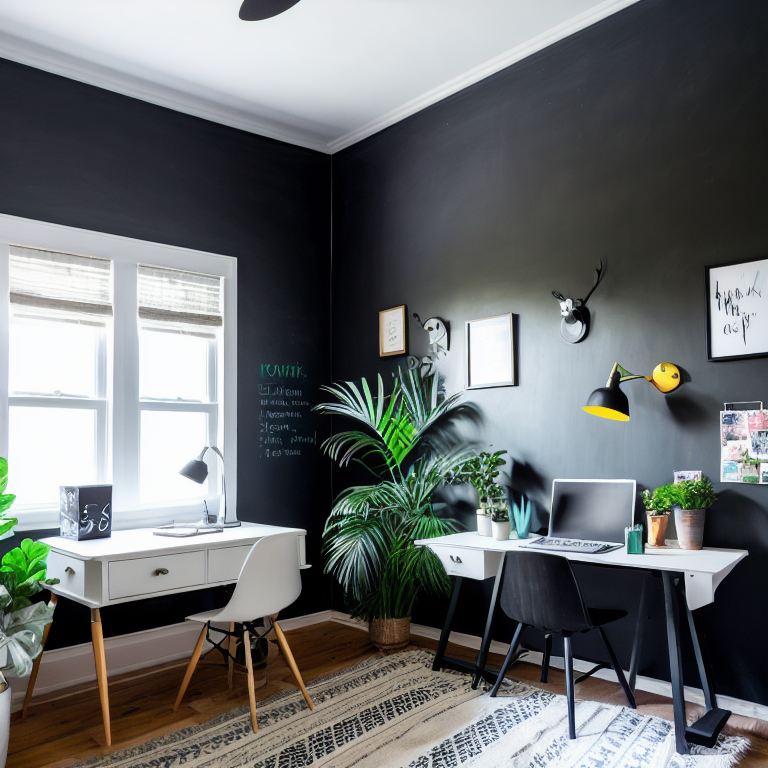
    The possibilities are endless! Use your wall for family calendars, inspirational quotes, grocery lists, or even as a giant sketchpad for your kids. In a home office, it can be a space for brainstorming or tracking goals. Some people even use chalkboard walls as a rotating art gallery, changing the drawings with the seasons or holidays. Let your imagination run wild!

    Chalkboard Wall Safety and Longevity Tips

    If you have young children, make sure your chalk and erasers are stored safely out of reach when not in use. Also, if you’re painting in a room with poor ventilation, open windows or use fans to keep the air fresh while you work. With proper care, your chalkboard wall can last for years and become a beloved part of your home.

    Troubleshooting Common Chalkboard Wall Issues

    Sometimes, chalk lines can be hard to erase or the wall might look streaky after cleaning. If this happens, try wiping with a slightly damp microfiber cloth, then drying thoroughly. If ghosting persists, a light reconditioning with chalk can help. For stubborn stains, a gentle eraser sponge can work wonders—just be gentle to avoid scratching the paint.

    Frequently Asked Questions (FAQ)

    What kind of paint should I use for a chalkboard wall?
    Use specialty chalkboard paint, which is designed to create a smooth, writable surface. It’s available in classic black or green, and some brands offer tintable options.

    Can I use any wall for a chalkboard?
    Most smooth, clean walls work well. If your wall is very rough or has lots of texture, you might need to sand it down or apply a primer first.

    How long does chalkboard paint take to dry?
    Drying times vary by brand, but most chalkboard paints need at least 24 hours to dry before you can use chalk on them. Always check the label for specific instructions.

    Is chalkboard paint safe for kids’ rooms?
    Yes, chalkboard paint is generally safe, but always ensure good ventilation while painting and let the wall dry completely before kids use it. Store chalk and erasers out of reach when not in use.

    Can I paint over a chalkboard wall later if I change my mind?
    Absolutely! Just sand the surface lightly, clean it, and paint over it with regular wall paint. You may need a couple of coats to fully cover the dark color.

    How do I clean my chalkboard wall?
    Use a soft, damp cloth for everyday cleaning. For tougher marks, a bit of mild soap and water works well. Avoid harsh chemicals.

    Can I make a magnetic chalkboard wall?
    Yes! Apply magnetic primer under your chalkboard paint to create a wall that holds magnets as well as chalk.

    What’s the best way to erase chalk without smudging?
    Use a clean, dry microfiber cloth or a special chalkboard eraser. For a super clean finish, wipe with a slightly damp cloth and let dry.

    Conclusion

    Creating a custom chalkboard wall at home is a fun, rewarding project that adds both style and function to your space. With a little preparation, the right supplies, and some creativity, you can transform any wall into a canvas for ideas, art, and organization. Whether you’re making a playful space for your kids or a practical spot for your own notes, your new chalkboard wall will quickly become a favorite feature in your home. So grab your paint, tape up those edges, and get ready to make your mark—literally!

  • How to Make a Personalized Photo Frame from Scrap Wood: A Complete DIY Guide

    How to Make a Personalized Photo Frame from Scrap Wood: A Complete DIY Guide

    Creating a personalized photo frame from scrap wood is one of those projects that feels both practical and deeply satisfying. You get to rescue materials that might otherwise end up in the trash while crafting something meaningful to display your favorite memories. This complete guide will walk you through everything from selecting the right scrap wood to adding those finishing touches that make your frame uniquely yours.

    The beauty of working with scrap wood lies in its character. Each piece tells a story through its grain patterns, knots, and weathered surfaces. Unlike store-bought frames that look identical, your handmade version will have personality and charm that perfectly complements the photo it holds. Plus, you’ll save money and reduce waste in the process.

    Before we dive into the step-by-step process, it’s worth noting that this project requires minimal tools and materials. You probably have most of what you need already in your workshop or garage. The skills involved are basic enough for beginners but offer enough room for creativity that even experienced woodworkers will find satisfaction in the process.

    Gathering Your Materials and Tools

    The first step in making your personalized photo frame is collecting the right materials. Start by sorting through your scrap wood pile, looking for pieces that are straight, free from major damage, and at least an inch wider than you want your final frame to be. Pine, oak, maple, and cedar all work beautifully, but don’t overlook plywood scraps for backing.

    For tools, you’ll need a saw for cutting the wood to size, sandpaper in various grits (80, 120, and 220 are ideal), wood glue, clamps, and something to measure and mark your cuts. A miter box or miter saw will give you the cleanest corners, but a handsaw works fine if that’s what you have available.

    Safety equipment is essential. Always wear safety glasses to protect your eyes from flying wood chips, and consider ear protection if you’re using power tools. A dust mask helps when sanding, especially if you’re working with older wood that might contain paint or treatments.

    Consider what size frame you want to make based on the photo you’ll be displaying. Standard photo sizes like 4×6, 5×7, or 8×10 are easiest to work with since you can find precut mats and backing materials. However, don’t feel limited to standard sizes – your scrap wood frame can be any dimension that suits your vision.

    Planning Your Frame Design

    Before cutting any wood, take time to plan your frame design. This is where you can really make the project your own. Think about the overall style you want to achieve. Do you prefer clean, modern lines or a more rustic, weathered look? The scrap wood you’ve collected might naturally lend itself to one style or another.

    Consider the width of your frame pieces. A narrow frame (about 1-2 inches wide) creates a delicate, minimalist look that works well for small photos or artwork. Wider frames (3-4 inches or more) make a bold statement and can handle larger photos. The width you choose will affect how much scrap wood you need, so plan accordingly.

    Think about any decorative elements you might want to add. Will you carve patterns into the wood? Add metal corner brackets for an industrial look? Paint or stain the frame to match your decor? These decisions will influence your material needs and the order in which you complete the steps.

    Sketch your design on paper, including measurements for each piece. This helps prevent mistakes and ensures you cut everything to the right size. Remember to account for the rabbet – the groove that holds your photo and backing. A rabbet depth of about 3/8 inch works well for most standard glass and backing materials.

    Cutting and Assembling the Frame Pieces

    With your design planned, it’s time to start cutting. Measure twice and cut once – this old woodworking saying is especially important when working with limited scrap wood. Mark your cut lines clearly using a square to ensure straight, accurate cuts.

    For the frame corners, you have several options. Mitered corners (cut at 45-degree angles) create a professional, seamless look but require more precision. Butt joints (where the end of one piece meets the side of another) are simpler and work well for rustic frames. Choose based on your skill level and the look you’re going for.

    Cut all four pieces for your frame, making sure opposite sides are exactly the same length. This ensures your frame will be square when assembled. If you’re making a rectangular frame, you’ll have two longer pieces and two shorter pieces that match each other.

    Dry fit the pieces together before gluing to check your cuts and make any necessary adjustments. Once you’re satisfied with the fit, apply wood glue to the joints and clamp the frame together. Use corner clamps if you have them, or improvise with regular clamps and scrap wood blocks to distribute pressure evenly.

    Sanding and Smoothing Your Frame

    Sanding is where your frame really starts to come alive. Begin with coarse sandpaper (around 80 grit) to remove any rough spots, splinters, or mill marks from the wood. Work your way through progressively finer grits – 120, then 220 – until the surface feels smooth to the touch.

    Pay special attention to the corners and edges. You can leave them sharp for a modern look or round them slightly for a softer, more traditional appearance. The choice depends on your overall design aesthetic and the style of photo you’ll be displaying.

    If you’re working with reclaimed wood that has old paint or stain, you might want to sand it down to bare wood for a fresh start. Alternatively, you could embrace the weathered look and just smooth the surface while preserving the character marks and patina.

    Between each sanding grit, wipe the frame with a tack cloth or slightly damp rag to remove dust. This prevents the dust from finer grits from scratching the surface as you work with coarser grits. Take your time with this step – proper sanding makes a huge difference in the final appearance of your frame.

    Adding Personal Touches and Finishing

    This is where your creativity can really shine. Consider what personal elements you want to incorporate into your frame. You could wood-burn a meaningful date, quote, or design onto one of the frame pieces. Small metal embellishments, like decorative corner brackets or small charms, can add visual interest.

    Paint or stain choices dramatically affect the final look. A clear polyurethane or Danish oil finish will highlight the natural beauty of the wood grain. Stains come in countless colors to match your decor or the mood you want to create. Paint opens up even more possibilities – from bold solid colors to distressed finishes that reveal glimpses of the wood underneath.

    For a truly unique touch, consider embedding small objects in resin within the frame itself. Sea glass, small shells, or even tiny photographs could create a one-of-a-kind piece. This technique requires more advanced skills but produces stunning results.

    Don’t forget about the back of the frame. A piece of cardboard or thin plywood cut to fit the rabbet provides support for your photo. You might want to paint or cover this backing material to add another layer of personalization that only you will see when changing photos.

    Installing Hardware and Preparing for Display

    The hardware you choose depends on how you plan to display your frame. For tabletop display, small wooden dowels or a folding easel back work well. For wall hanging, you have several options. Sawtooth hangers are easy to install and work for most frame sizes. D-rings with wire provide more stability for larger frames.

    If you’re adding glass to protect your photo, you’ll need to cut it to size or have it professionally cut. Many frame shops offer this service affordably. Alternatively, clear acrylic sheets are lightweight, shatter-resistant, and can often be cut at home with the right tools.

    Consider how you’ll secure everything in the frame. Glazier points or small brads can hold the glass, photo, and backing in place. For a more polished look, you might use a point driver tool, though this is optional for a DIY project.

    Add any final protective finishes after all hardware is installed. A final coat of wax can give a beautiful hand-rubbed sheen, while a spray polyurethane provides durable protection. Allow adequate drying time before handling your finished frame.

    Creative Ideas for Personalization

    The possibilities for making your frame uniquely personal are endless. Consider creating a collage frame by making multiple small frames from scrap wood and connecting them with small hinges or decorative wire. This works beautifully for displaying a series of related photos or creating a family tree display.

    Incorporate mixed materials for added interest. Small pieces of leather, metal, or even fabric can be incorporated into the design. A strip of copper along one edge or a leather corner detail can elevate a simple frame into something extraordinary.

    Think about the recipient if you’re making the frame as a gift. Incorporate elements that reflect their personality or interests. A nature lover might appreciate a frame with small twig details, while a music enthusiast might enjoy a frame decorated with vintage sheet music decoupage.

    Consider seasonal themes for frames that will display rotating artwork or photos. A frame with subtle snowflake carvings could work beautifully for winter photos, while leaf motifs might suit autumn displays. These thoughtful touches show the care and consideration you put into the project.

    Maintenance and Care for Your Handmade Frame

    Your handmade wooden frame will last for years with proper care. Dust it regularly with a soft, dry cloth to prevent buildup that can scratch the surface. Avoid using harsh chemical cleaners that could damage the finish or the wood itself.

    If your frame is exposed to direct sunlight, consider applying a UV-protective finish to prevent the wood from fading or the photo from deteriorating. This is especially important for frames displaying valuable or irreplaceable photographs.

    For frames in humid environments, ensure adequate ventilation to prevent warping or mold growth. A small packet of silica gel placed behind the photo can help absorb excess moisture without being visible.

    Over time, you might notice small scratches or wear marks that add character to your frame. These can be left as part of the frame’s story or touched up with a matching stain or paint. The beauty of working with natural materials is that each mark tells part of your frame’s journey.

    Frequently Asked Questions (FAQ)

    What type of wood works best for making photo frames from scrap?

    Most hardwoods work beautifully for photo frames, with oak, maple, cherry, and walnut being popular choices for their durability and attractive grain patterns. Softwoods like pine are easier to work with and more forgiving for beginners. The best wood is often what you already have available – even plywood scraps can work well for backing or painted frames.

    Do I need special tools to make a wooden photo frame?

    Basic tools are sufficient for most photo frame projects. You’ll need a saw for cutting (a miter saw is ideal but not necessary), sandpaper, wood glue, clamps, and measuring tools. Optional but helpful tools include a miter box for precise angle cuts, a router for creating rabbets, and a point driver for securing the backing. Many successful frames have been made with just hand tools and patience.

    How do I ensure my frame corners are perfectly square?

    The key to square corners is accurate measuring and cutting. Use a reliable square tool to mark your cuts, and always measure twice before cutting. When assembling, use corner clamps or create a simple jig to hold pieces at exact 90-degree angles while the glue dries. You can check squareness by measuring diagonally from corner to corner – both measurements should be equal.

    Can I make a frame without power tools?

    Absolutely! Many beautiful frames have been made using only hand tools. A handsaw, miter box, sandpaper, wood glue, and clamps are all you really need. The process will take longer than using power tools, but many people find the hand tool approach more satisfying and meditative. The key is taking your time and focusing on precision.

    How do I choose the right finish for my frame?

    The right finish depends on your desired look and the wood you’re using. Clear finishes like polyurethane or Danish oil highlight natural wood grain and provide protection. Stains can change the wood color while still showing grain. Paint offers unlimited color options but covers the wood completely. Consider your home decor and the photo you’ll be displaying when making your choice.

    What’s the best way to attach hardware for hanging?

    For smaller frames, sawtooth hangers are simple and effective. For larger or heavier frames, D-rings with picture wire provide better support. Always use hardware rated for the weight of your frame, and install it on the frame’s vertical members rather than across miter joints for maximum strength. Test the hanging hardware before mounting your photo to ensure it’s secure.

  • DIY Floating Shelves: A Beginner’s Guide to Easy, Stylish Storage

    Floating shelves are one of the simplest yet most impactful DIY projects you can tackle. They instantly add storage, style, and personality to any room without taking up floor space. Whether you’re looking to display books, plants, or family photos, these shelves offer a clean, modern look that works in almost any home.

    The beauty of floating shelves is that they’re accessible to beginners. With just a few basic tools and materials, you can create custom storage solutions that look like they came straight from a designer showroom. Plus, they’re incredibly versatile—you can make them any length, depth, or finish to match your space perfectly.

    In this guide, I’ll walk you through everything you need to know to build your own floating shelves, from choosing materials to installation tips that ensure they stay sturdy for years to come.

    Choosing the Right Materials for Your Floating Shelves

    The foundation of any great floating shelf starts with selecting the right materials. For beginners, I recommend starting with pre-cut pine boards from your local hardware store. Pine is affordable, easy to work with, and takes paint or stain beautifully.

    For the hidden bracket system, you’ll need sturdy metal brackets or wooden cleats. Metal brackets typically support more weight and are easier to install, while wooden cleats offer a more traditional approach. The choice depends on what you plan to display—lighter items like picture frames work well with wooden cleats, while books and heavier decor need metal support.

    Don’t forget about the finish! You can leave the wood natural for a rustic look, paint it to match your walls for a seamless appearance, or stain it for a rich, warm tone. Consider the room’s existing decor when making this decision. A minimalist home office setup might call for clean white shelves, while a living room could benefit from warm wood tones.

    Essential Tools and Safety Precautions

    Before diving into your project, gather the necessary tools. At minimum, you’ll need a drill, level, stud finder, measuring tape, pencil, and safety gear including goggles and gloves. A circular saw or miter saw helps if you’re cutting boards to custom lengths, but many stores will make cuts for you if you don’t have these tools.

    Safety should always come first. Always wear protective eyewear when drilling or cutting, and work in a well-ventilated area if you’re painting or staining. Keep your workspace clean and organized to prevent accidents, and never rush through measurements or cuts—precision is key to professional-looking results.

    If you’re new to DIY projects, consider practicing on scrap wood first. This helps you get comfortable with your tools and techniques before working on your actual shelves. Remember, even experienced DIYers make mistakes sometimes—it’s all part of the learning process.

    Planning Your Shelf Layout and Design

    The most common mistake beginners make is skipping the planning phase. Take time to measure your wall space carefully and decide exactly where you want your shelves. Use painter’s tape to mark the proposed shelf locations on the wall—this gives you a visual preview without making any permanent marks.

    Consider the spacing between shelves carefully. For books, allow about 10-12 inches between shelves. For decorative objects, you might want more space. The rule of thumb is to plan for the tallest item you’ll display, then add a few extra inches for visual breathing room.

    Think about the weight distribution too. Heavier items should go on lower shelves for stability, while lighter decorative pieces can go higher up. This not only looks better but also ensures your shelves remain secure over time. If you’re displaying particularly heavy items, you might want to reinforce your brackets or consider alternative support methods.

    Step-by-Step Installation Process

    Start by locating the wall studs using a stud finder. This is crucial for stability—screwing directly into studs provides much stronger support than using wall anchors alone. Mark the stud locations with a pencil, then hold your bracket or cleat against the wall to transfer these marks.

    Drill pilot holes slightly smaller than your screws to prevent the wood from splitting. This is especially important when working with pine or other soft woods. Once your pilot holes are ready, attach the brackets or cleats to the wall, using a level to ensure everything is perfectly straight.

    After the support structure is secure, slide or attach your shelf board. If you’re using a hollow shelf design, you may need to slide it over the bracket. For solid wood shelves, you might screw up through the bracket into the shelf bottom. Fill any visible screw holes with wood filler, sand smooth once dry, and finish as desired.

    Creative Styling Ideas for Your New Shelves

    Once your shelves are installed, the fun really begins—styling them! Start with a mix of functional and decorative items. Books are a natural choice, but don’t just line them up traditionally. Try stacking some horizontally and others vertically for visual interest.

    Incorporate plants for life and color—succulents work well since they don’t require much maintenance. Add personal touches like framed photos, small sculptures, or collected objects from your travels. The key is creating a balanced look that feels curated rather than cluttered.

    Consider the rule of threes when arranging items—grouping objects in odd numbers typically looks more pleasing to the eye. Vary the heights and textures of objects for dimension. A tall vase next to a short stack of books creates an appealing visual rhythm. Don’t be afraid to rearrange things until you find a layout you love.

    Troubleshooting Common Issues

    Even with careful planning, you might encounter some challenges. If your shelves aren’t perfectly level, don’t panic. Small adjustments can usually fix this—loosen the screws slightly and make micro-adjustments until the bubble in your level sits right in the center.

    For walls that don’t have studs where you need them, heavy-duty wall anchors can provide adequate support for lighter loads. However, always err on the side of caution with weight limits. If you’re unsure, it’s better to relocate your shelves to stud-supported areas.

    If you notice your shelves sagging over time, this usually indicates insufficient support or too much weight. Consider adding additional brackets or redistributing the items on your shelves. For long shelves (over 36 inches), adding a center support bracket can prevent sagging.

    Maintenance and Care Tips

    Floating shelves require minimal maintenance, but a little care goes a long way. Dust them regularly with a soft cloth or microfiber duster to prevent buildup. For wood shelves, occasional polishing with appropriate wood cleaner can maintain their finish and protect the surface.

    Check the brackets periodically to ensure they remain tight and secure. Wall materials can shift slightly over time, especially in older homes, so it’s worth giving your shelves a quick inspection every few months. Tighten any loose screws immediately to prevent accidents.

    If you notice any water damage or warping, address it quickly. For minor issues, light sanding and refinishing might solve the problem. For more serious damage, you may need to replace the affected shelf board. Prevention is best—avoid placing wet items directly on wood shelves and use coasters under glasses.

    Frequently Asked Questions (FAQ)

    What weight can floating shelves hold?
    Most properly installed floating shelves can hold between 20-50 pounds, depending on the bracket system and wall support. Metal brackets into studs offer the highest weight capacity. Always check the manufacturer’s specifications for your specific hardware.

    Can I install floating shelves on drywall without studs?
    Yes, but with limitations. Use heavy-duty wall anchors rated for the weight you plan to store. Toggle bolts or molly bolts work well for heavier loads. However, for maximum stability and weight capacity, always try to secure at least one side into a wall stud.

    How far apart should I space multiple floating shelves?
    This depends on what you’ll display. For books, 10-12 inches between shelves works well. For decorative objects, 12-15 inches provides good visual spacing. Consider the tallest item you’ll place on each shelf, then add 2-3 inches for comfortable clearance.

    What’s the best wood for beginner floating shelves?
    Pine is ideal for beginners because it’s affordable, easy to cut and sand, and takes finishes well. Pre-cut pine boards from home improvement stores eliminate the need for advanced cutting tools. As you gain experience, you might graduate to hardwoods like oak or maple.

    Can floating shelves work in a rental property?
    Absolutely! Use damage-free hanging systems like heavy-duty command strips for very light items, or install with minimal wall damage that can be easily patched when moving out. Always get landlord permission before making any permanent modifications to rental walls.

    How do I hide the brackets completely?
    For a true floating appearance, use hidden bracket systems designed specifically for floating shelves. These slide into routed channels in the shelf bottom. Alternatively, you can build hollow shelf boxes that slide over wooden cleats attached to the wall, completely concealing the support structure.

    Conclusion

    Building your own floating shelves is one of those satisfying DIY projects that delivers both immediate gratification and long-term value. Not only do you gain practical storage space, but you also create a custom design element that reflects your personal style. The skills you develop—measuring accurately, using basic tools safely, and planning layouts—will serve you well in countless future projects.

    Remember that perfection isn’t the goal, especially for your first attempt. Each shelf you build will be better than the last as you refine your technique and gain confidence. Start with a simple design, follow the safety guidelines, and don’t hesitate to ask for help if you need it. Your local hardware store staff are usually happy to offer advice and might even have workshops to help you get started.

    Whether you’re organizing a minimalist home office, displaying your favorite collectibles, or simply adding character to an empty wall, floating shelves offer an accessible entry point into the world of DIY woodworking. So grab your tools, pick out some beautiful wood, and start creating storage solutions that are as functional as they are beautiful.

  • How to Build a Backyard Fire Pit: A Complete DIY Guide

    Gathering around a fire pit on a cool evening is one of life’s simple pleasures. The warmth, the crackle of burning wood, and the glow of dancing flames create an inviting atmosphere for friends and family. Building your own backyard fire pit is a rewarding weekend project that adds both value and enjoyment to your outdoor space.

    A well-built fire pit becomes the centerpiece of your backyard, perfect for roasting marshmallows, sharing stories, or simply unwinding after a long day. The good news is that creating one doesn’t require advanced construction skills or expensive materials. With some basic tools, the right materials, and this step-by-step guide, you can have your own fire pit ready in just a couple of days.

    Before you start gathering stones and digging, it’s important to understand what makes a fire pit both safe and functional. From choosing the right location to selecting materials that will withstand high temperatures, each decision affects how your fire pit will perform and how long it will last. Let’s walk through everything you need to know to build a fire pit that will serve as the heart of your backyard gatherings for years to come.

    Choosing the Perfect Location for Your Fire Pit

    Finding the right spot for your fire pit is the first and most crucial step in the building process. The location affects not only the safety of your fire pit but also how often you’ll use it and how it integrates with your existing outdoor space.

    Start by checking local regulations and homeowner association rules. Many areas have specific requirements about how far a fire pit must be from structures, property lines, and combustible materials. Generally, you’ll need to place your fire pit at least 10 to 20 feet away from your house, garage, shed, or any other structures. Some municipalities require even greater distances, so always verify before you begin.

    Consider the prevailing wind direction in your yard. You don’t want smoke blowing directly into your house or seating area. Spend a few evenings observing how the wind moves through your space, or use a weather app to check typical wind patterns. Positioning your fire pit where it’s partially sheltered by trees or your home can help manage smoke direction.

    Think about convenience and comfort too. You’ll want your fire pit close enough to your house that carrying supplies isn’t a chore, but far enough that you feel like you’re escaping to a special spot. A location that offers both sun and shade throughout the day provides the most versatility for year-round use.

    The ground itself matters as well. Choose a flat area with good drainage. Avoid low spots where water collects, as a soggy fire pit base will be difficult to use and maintain. If your yard slopes, you may need to level the area or build a retaining wall on the downhill side.

    Essential Materials and Tools You’ll Need

    Before you start building, gather all the necessary materials and tools. Having everything ready will make the process smoother and more enjoyable.

    For the fire pit structure itself, you’ll need fire-rated bricks, concrete blocks, or natural stones. Regular bricks can crack under high heat, so invest in materials specifically designed for fire pits. These include fire bricks, which are made to withstand extreme temperatures, or retaining wall blocks that have been tested for heat resistance.

    You’ll also need gravel for the base and drainage, sand for leveling, and lava rocks or fire glass to line the bottom of the pit. These materials help with drainage and protect the base from direct heat. If you want to add a metal fire ring insert, which helps maintain the shape of your pit and protects the masonry, include that in your shopping list.

    For tools, you’ll need a shovel for digging, a level to ensure your base is even, a tamper to compact the soil and gravel, a rubber mallet for adjusting stones, and a tape measure. A wheelbarrow makes transporting materials much easier, and work gloves protect your hands during construction.

    Safety equipment is essential. Have a fire extinguisher, garden hose, or bucket of sand nearby during construction and when using your fire pit. Safety glasses protect your eyes when cutting or breaking stones, and a dust mask is helpful when working with dry materials like gravel and sand.

    Preparing the Ground and Creating a Stable Base

    A solid foundation is critical for a fire pit that will last for years. Taking time to properly prepare the ground ensures your fire pit remains level and stable through countless fires and changing weather conditions.

    Begin by marking the outline of your fire pit. Drive a stake into the center of where you want your fire pit, attach a string that’s half the diameter of your desired pit size, and use it as a compass to mark a perfect circle. For most backyard fire pits, a diameter of 36 to 44 inches provides ample space for a good fire while keeping everyone close enough to enjoy the warmth.

    Dig out the marked area to a depth of about 7 inches. This allows for a 4-inch gravel base and enough space for your first layer of stones to sit slightly below ground level, which adds stability. Remove any roots, rocks, or debris from the hole, and use a level to check that the bottom is even.

    Add a 2-inch layer of gravel and compact it thoroughly with a hand tamper or plate compactor. This gravel layer provides crucial drainage, preventing water from pooling under your fire pit. Add another 2 inches of gravel and compact again. Check for levelness and add or remove gravel as needed to create a perfectly flat surface.

    On top of the compacted gravel, add a 1-inch layer of sand. This sand layer helps you fine-tune the level and provides a cushion for your stones. Screed the sand smooth using a straight board, and check with your level in multiple directions. This preparation might seem tedious, but it’s the difference between a fire pit that shifts and cracks over time and one that remains solid for years.

    Building the Fire Pit Walls with Proper Technique

    With your foundation ready, it’s time to start building the walls of your fire pit. The technique you use here affects both the appearance and the longevity of your fire pit.

    Start by placing your first ring of stones or bricks directly on the sand layer. If you’re using rectangular blocks, arrange them so the joints are staggered from layer to layer, which creates a stronger structure. Use your level frequently to ensure each stone is even and the entire ring is level all the way around.

    For the second layer, apply a small amount of refractory mortar between the stones if you want extra stability. Refractory mortar is designed to withstand high temperatures and won’t crack like regular mortar can. However, many fire pit designs work perfectly well without mortar, relying instead on the weight of the stones and the slight recess into the ground for stability.

    Continue stacking stones, checking for level every few layers. Stagger the joints so that the middle of each stone sits over the joint below it. This overlapping pattern, similar to brickwork, distributes weight evenly and creates a much stronger structure than simply stacking stones directly on top of each other.

    As you build upward, step back frequently to check that your fire pit is remaining round and even. Small adjustments early on are much easier than trying to fix problems after several layers are in place. Most fire pits are 12 to 18 inches tall, which is high enough to contain the fire while still allowing people to prop their feet on the edge comfortably.

    Adding the Final Touches and Safety Features

    The final steps in building your fire pit involve adding features that enhance both safety and functionality. These finishing touches make your fire pit more enjoyable and help protect your investment.

    Install a metal fire ring insert if you’re using one. These rings, typically made from steel or cast iron, protect the masonry from direct heat and help maintain the circular shape of your fire pit. Place the ring in the center of your stone structure and adjust the stones as needed so the ring sits at the right height – usually with the top edge about an inch below the top of your stone wall.

    Fill the bottom of your fire pit with a 2-inch layer of lava rocks or fire glass. These materials protect the base from intense heat, improve drainage, and create an attractive appearance. Lava rocks are particularly good because they’re porous and help with drainage while also retaining and radiating heat.

    Consider adding a spark screen or fire pit cover. A spark screen sits on top of your fire pit while in use, preventing embers from escaping while still allowing heat and light through. A cover protects your fire pit from the elements when not in use, keeping it clean and dry for your next gathering.

    Create a dedicated seating area around your fire pit. Arrange chairs, benches, or large stones at a safe distance – typically 3 to 4 feet from the edge of the fire pit. This distance allows people to feel the warmth without being too close to the flames. If you have space, consider a circular seating arrangement that encourages conversation and makes everyone feel included.

    Maintaining Your Fire Pit for Years of Enjoyment

    A well-built fire pit requires minimal maintenance, but a little care goes a long way in keeping it safe and attractive for years to come. Regular maintenance also helps you spot potential issues before they become problems.

    After each use, once the fire pit has completely cooled, remove ashes and debris. Excessive ash buildup can restrict airflow and make it harder to start fires. Use a metal scoop or small shovel to remove cold ashes, and dispose of them in a metal container. Some gardeners like to use wood ash in their gardens, as it contains beneficial minerals, but avoid using ash from pressure-treated wood or painted materials.

    Inspect your fire pit regularly for signs of damage. Check for loose stones, cracks in mortar, or any areas where the structure might be shifting. Small cracks can often be repaired with refractory mortar, but larger issues might require rebuilding sections of your fire pit. Catching problems early prevents more extensive repairs later.

    Protect your fire pit from the elements when not in use. A weather-resistant cover keeps water out of the pit, which prevents rust on any metal components and reduces freeze-thaw damage to stone or brick. If you live in an area with harsh winters, consider giving your fire pit a thorough cleaning and inspection at the end of each season.

    Keep the area around your fire pit clear of leaves, pine needles, and other flammable debris. These materials can ignite from stray sparks and create a fire hazard. Maintain a clear zone of at least 3 feet around your fire pit, and avoid placing flammable materials like paper goods or extra seating too close during use.

    Creative Ways to Enhance Your Fire Pit Area

    Once your fire pit is built, you can transform the surrounding area into a true outdoor living space. These enhancements make your fire pit area more comfortable, functional, and inviting for gatherings of all kinds.

    Lighting plays a crucial role in creating ambiance. String lights overhead create a magical atmosphere and provide practical illumination for moving around safely. Solar-powered path lights can mark walkways to and from your fire pit area, while LED strip lights under seating or along steps add a modern touch. Consider how different lighting options work together to create layers of light for various moods and activities.

    Comfortable seating makes all the difference in how often you use your fire pit. While folding chairs work in a pinch, dedicated outdoor seating encourages more frequent use. Built-in benches save space and can include storage underneath for blankets and fire-starting supplies. Adirondack chairs offer classic comfort, while outdoor sofas create a more lounge-like atmosphere. Mix and match seating types to accommodate different group sizes and preferences.

    Add functional elements that make fire pit gatherings more enjoyable. A small side table provides a place for drinks and snacks, while a firewood storage area keeps fuel dry and accessible. Consider a nearby cooking grate for campfire meals, or install hooks for hanging tools like pokers and log grabbers. These practical additions make your fire pit area more self-contained and convenient.

    Personalize your space with decorative elements that reflect your style. Potted plants add life and color, while outdoor rugs define the space and add comfort underfoot. Wind chimes, garden art, or a water feature nearby can create a multi-sensory experience. Even small touches like colorful throw pillows or a basket of cozy blankets make the space feel more inviting and cared for.

    Frequently Asked Questions (FAQ)

    What is the best size for a backyard fire pit?
    Most backyard fire pits work well with a diameter of 36 to 44 inches and a height of 12 to 18 inches. This size provides enough space for a good fire while keeping everyone close enough to enjoy the warmth. The inner diameter should be at least 30 inches to allow proper airflow and room for burning logs.

    Can I build a fire pit directly on grass or do I need a special base?
    You should never build a fire pit directly on grass. Always create a proper base with compacted gravel for drainage and stability. The gravel base prevents the fire pit from shifting, helps water drain away from the structure, and provides a stable foundation that won’t settle unevenly over time.

    What’s the safest fuel to use in a backyard fire pit?
    Seasoned hardwood is the safest and most traditional fuel for fire pits. Hardwoods like oak, maple, and hickory burn longer and produce less smoke than softwoods. Avoid burning pressure-treated wood, plywood, or any materials that release toxic chemicals when burned. Never use gasoline or other accelerants to start your fire.

    How far should my fire pit be from my house and other structures?
    Local regulations vary, but most require fire pits to be at least 10 to 20 feet away from structures, property lines, and combustible materials. Some areas require even greater distances. Always check your local fire codes and homeowner association rules before building. When in doubt, greater distance is safer.

    Do I need a permit to build a backyard fire pit?
    Permit requirements vary by location. Some municipalities require permits for any open flame, while others only require them for permanent structures or gas-fueled fire pits. Check with your local building department or fire marshal’s office to determine what’s required in your area. Getting proper permits ensures your fire pit meets safety standards.

    Conclusion

    Building your own backyard fire pit is a project that pays dividends in enjoyment, relaxation, and outdoor living space. From the initial planning stages through the final touches, each step brings you closer to creating a gathering spot that will host countless memories with family and friends.

    The key to a successful fire pit project lies in careful planning and attention to detail. Choosing the right location, preparing a solid foundation, using appropriate materials, and following safety guidelines all contribute to a fire pit that will serve you well for years to come. While the process requires some physical effort and patience, the reward of having a custom-built fire pit in your own backyard makes every minute worthwhile.

    Remember that your fire pit can evolve over time. Start with the basic structure, then add enhancements like seating, lighting, and cooking features as your needs and preferences become clear. The beauty of a DIY fire pit is that you can customize it perfectly for your space and lifestyle.

    As you gather around your new fire pit for the first time, you’ll appreciate not just the warmth and light it provides, but the satisfaction of having built it with your own hands. Whether you’re roasting marshmallows with the kids, sharing stories with friends, or enjoying a quiet moment alone, your backyard fire pit will become a cherished part of your home and your life.
  • How to Build a Rustic Wooden Headboard for Your Bedroom

    How to Build a Rustic Wooden Headboard for Your Bedroom

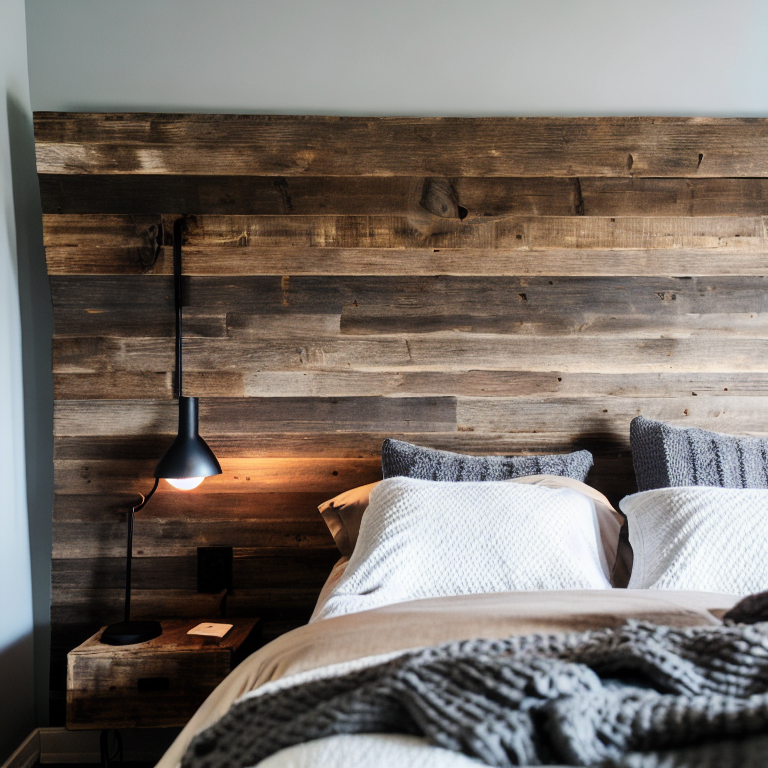
    Adding a rustic wooden headboard to your bedroom is one of the easiest ways to bring warmth and character into your space. Whether you’re drawn to the charm of reclaimed wood or prefer a more polished farmhouse look, building your own headboard is a rewarding DIY project that doesn’t require advanced carpentry skills.

    Not only does a handmade headboard add a personal touch, but it’s also a cost-effective way to upgrade your bedroom. With just a few basic tools, some lumber, and a little creativity, you can craft a statement piece that transforms the entire room.

    Choosing the Right Wood for Your Headboard

    The first step in creating a rustic wooden headboard is selecting the right type of wood. Reclaimed wood is a popular choice for its weathered texture and eco-friendly appeal, but new lumber can also work beautifully with the right finishing techniques.

    Pine is a budget-friendly option that’s easy to work with and takes stains well. Cedar offers a rich color and natural resistance to moisture, making it a durable choice. If you want an authentic rustic look, look for wood with visible knots, grain patterns, and slight imperfections.

    For a cohesive bedroom design, consider matching the wood tone to other furniture pieces or flooring. You can also mix different wood types for a more eclectic, layered look.

    Essential Tools and Materials

    Before starting your project, gather all the necessary tools and materials. Having everything ready will make the process smoother and more enjoyable.

    You’ll need a measuring tape, a saw (circular or miter saw works well), a drill, screws, sandpaper, wood glue, and a level. A stud finder is helpful if you plan to mount the headboard directly to the wall.

    For finishing, choose a stain or paint that complements your bedroom decor. A clear polyurethane sealant will protect the wood and enhance its natural beauty. If you’re using reclaimed wood, a wire brush can help clean and smooth the surface without losing its character.

    Measuring and Planning Your Headboard Design

    Proper measurements are crucial for a professional-looking result. Start by measuring your bed frame width, then decide how tall you want the headboard to be. Standard headboards typically extend 24 to 30 inches above the mattress, but you can go taller for a more dramatic effect.

    Sketch out your design on paper, noting the dimensions and layout of the wood pieces. Will you use vertical planks, horizontal boards, or a combination? Do you want a simple rectangular shape or something more unique like a herringbone pattern?

    Planning ahead helps prevent mistakes and ensures you purchase the right amount of materials. It’s also a good time to consider any additional features, such as built-in lighting or decorative trim.

    Preparing and Cutting the Wood

    Once you have your design and measurements, it’s time to prepare the wood. If you’re using new lumber, sand each piece to remove rough spots and splinters. For reclaimed wood, clean it thoroughly and remove any old nails or hardware.

    Cut the wood to your desired dimensions using a saw. If you don’t have power tools, many home improvement stores offer cutting services. Label each piece as you cut to keep track of the layout.

    Arrange the cut pieces on a flat surface to check the fit and make any necessary adjustments. This step is especially important if you’re creating a patterned design.

    Assembling the Headboard Frame

    Building a sturdy frame is essential for a durable headboard. Start by laying out the main boards face down on a flat surface. Attach horizontal support pieces (cleats) across the back using wood screws and glue. These supports will hold the boards together and provide a way to mount the headboard.

    Make sure the frame is square by measuring the diagonals—if they’re equal, your frame is properly aligned. Pre-drill holes to prevent the wood from splitting when you insert screws.

    If you want a freestanding headboard, you can build legs that extend to the floor and attach them to the frame. For a wall-mounted version, you’ll need to install French cleats or heavy-duty brackets.

    Adding Finishing Touches

    The finishing stage is where your headboard really comes to life. Apply your chosen stain or paint with a brush or rag, working in the direction of the wood grain. For a rustic look, consider using multiple stain colors or dry brushing paint for a weathered effect.

    Once the finish is dry, seal the wood with a clear polyurethane to protect it from scratches and moisture. If you want a more rustic appearance, you can lightly distress the edges with sandpaper after sealing.

    For added charm, consider attaching decorative elements like metal brackets, leather straps, or even stenciled designs. These small details can make your headboard truly unique.

    Mounting Your Headboard Safely

    Proper mounting is crucial for safety and stability. If you’re attaching the headboard to the wall, locate the wall studs using a stud finder and mark their positions. Use heavy-duty wall anchors if studs aren’t available in the right spots.

    For a French cleat system, attach one cleat to the back of the headboard and the matching cleat to the wall. This creates a secure, level mount that’s easy to remove if needed. Make sure to use screws that are long enough to penetrate the studs by at least an inch.

    If you’re building a freestanding headboard, ensure the legs are sturdy and the base is wide enough to prevent tipping. Test the stability before placing it behind your bed.

    Styling Your Rustic Headboard

    Once your headboard is installed, it’s time to style it to complement your bedroom decor. Layer cozy textiles like knit blankets, patterned pillows, and a soft throw to create an inviting look.

    Consider adding wall sconces or string lights for ambient lighting that highlights the wood’s texture. A few well-placed plants or framed artwork can also enhance the rustic vibe.

    If you’re looking for more ideas on creating a cozy bedroom retreat, check out our guide on how to create a cozy reading nook on a budget for inspiration on layering comfort and style.

    Maintenance and Care Tips

    To keep your rustic wooden headboard looking its best, dust it regularly with a soft cloth and avoid harsh chemical cleaners. If the wood starts to look dry, apply a wood conditioner or mineral oil to restore its luster.

    For minor scratches or dents, use a touch-up marker or wood filler that matches the stain color. If the headboard is in a humid environment, consider using a dehumidifier to prevent warping.

    With proper care, your handmade headboard will age beautifully and remain a cherished piece in your bedroom for years to come.

    Frequently Asked Questions (FAQ)

    What type of wood is best for a rustic headboard?
    Pine, cedar, and reclaimed wood are excellent choices. Pine is affordable and easy to work with, cedar offers natural durability, and reclaimed wood provides authentic character.

    Do I need advanced woodworking skills to build a headboard?
    No, basic DIY skills are sufficient. This project is beginner-friendly with the right tools and careful planning.

    How do I attach a headboard to a bed frame?
    Use mounting brackets or bolts to secure the headboard to the bed frame. Make sure the holes align properly and use washers for added stability.

    Can I make a headboard without power tools?
    Yes, you can use pre-cut lumber from a home improvement store and hand tools like a handsaw and screwdriver.

    How do I achieve a weathered look on new wood?
    Use techniques like dry brushing, distressing with sandpaper, or applying a weathered wood accelerator to create an aged appearance.

    Is it safe to mount a headboard to the wall?
    Yes, as long as you use proper hardware and secure it to wall studs or heavy-duty anchors for stability.

    Conclusion

    Building a rustic wooden headboard is a fulfilling project that adds warmth and personality to your bedroom. With careful planning, the right materials, and a bit of creativity, you can create a stunning focal point that reflects your style.

    Remember to take your time with each step, from selecting the wood to applying the final finish. The imperfections and unique characteristics of handmade furniture are what make it special.

    If you’re inspired to try more DIY projects, explore our collection of creative ideas for personalizing your bullet journal or learn how to make a DIY mason jar herb garden for more handmade charm in your home.

    Your rustic headboard will not only enhance your bedroom’s aesthetic but also serve as a reminder of what you can create with your own hands.

  • How to Make a DIY Mason Jar Herb Garden (Step-by-Step Guide)

    How to Make a DIY Mason Jar Herb Garden (Step-by-Step Guide)

    Growing your own herbs at home is one of the simplest ways to add fresh flavor to your cooking while also bringing a touch of green into your space. A DIY mason jar herb garden is perfect for small apartments, kitchen counters, or even as a charming gift. Mason jars are affordable, easy to find, and create a clean, rustic look that fits any decor style.

    Unlike traditional pots, mason jars let you see the roots and soil, making it easy to monitor water levels and plant health. Plus, you can customize each jar with labels, paint, or twine for a personal touch. Whether you’re a beginner gardener or a seasoned plant lover, this project is simple, fun, and rewarding.

    Why Choose a Mason Jar Herb Garden?

    Mason jars are more than just pretty containers—they’re practical for indoor gardening. Their clear glass lets you see when the soil is dry, helping you avoid overwatering, which is one of the most common mistakes beginners make. Herbs like basil, parsley, mint, and chives thrive in small spaces, making them ideal for jar planting.

    Another benefit is portability. You can move your jars around to catch the best sunlight or bring them to the kitchen while you cook. Plus, if you’re short on outdoor space, a mason jar herb garden lets you enjoy fresh herbs year-round without needing a backyard.

    Materials You’ll Need

    Before you start, gather all your supplies. You’ll need clean mason jars (pint or quart size works well), small pebbles or gravel for drainage, potting soil made for herbs, and herb seeds or small starter plants. You’ll also want labels, twine, or chalk paint if you want to decorate your jars.

    Optional tools include a spray bottle for gentle watering, a small scoop for soil, and a sunny windowsill or grow light. Having everything ready before you begin will make the process smoother and more enjoyable.

    Step 1: Prepare the Mason Jars

    Start by washing your mason jars thoroughly with soap and water to remove any dust or residue. Dry them completely. Since mason jars don’t have drainage holes, you’ll need to create a drainage layer at the bottom to prevent root rot.

    Add about an inch of small pebbles, gravel, or even marbles to the bottom of each jar. This layer will catch excess water and keep the roots from sitting in moisture. If you want extra protection, you can add a thin layer of activated charcoal on top of the pebbles to help filter water and prevent mold.

    Step 2: Add Potting Soil

    Fill each jar with potting soil, leaving about an inch of space at the top. Use a high-quality potting mix designed for herbs or vegetables, as it will have the right balance of nutrients and drainage. Avoid using garden soil, which can be too heavy and may contain pests.

    Gently pat the soil down to remove air pockets, but don’t pack it too tightly. The soil should be firm enough to support the plant but loose enough for roots to grow easily.

    Step 3: Plant Your Herbs

    If you’re using seeds, plant them according to the packet instructions—usually a few seeds per jar, lightly covered with soil. If you’re using starter plants, carefully remove them from their nursery pots, loosen the roots, and place them in the jar. Fill in around the plant with more soil, pressing gently.

    Water the soil lightly after planting. If you’re using seeds, keep the soil moist but not soggy until they sprout. For starter plants, water when the top inch of soil feels dry.

    Step 4: Label and Decorate

    Labeling your jars is both practical and fun. You can use chalkboard paint, wooden tags, or simple stickers to write the herb names. Adding decorative touches like twine, ribbon, or washi tape can make your herb garden a beautiful part of your kitchen decor.

    If you want to get creative, check out these DIY custom planters ideas for more inspiration on personalizing your indoor garden space.

    Step 5: Find the Perfect Spot

    Herbs need plenty of sunlight to grow well—at least 6 hours a day. A sunny windowsill is ideal, but if your home doesn’t get much natural light, consider using a grow light. Rotate your jars every few days so all sides of the plants get even light.

    Avoid placing jars near drafts, heating vents, or air conditioners, as extreme temperature changes can stress the plants. A stable, warm environment will help your herbs thrive.

    Caring for Your Mason Jar Herb Garden

    Watering is the most important part of caring for your herb garden. Since mason jars don’t drain, it’s easy to overwater. Use a spray bottle or a small watering can with a narrow spout to control the amount of water. Water only when the top inch of soil feels dry.

    Trim your herbs regularly to encourage bushy growth and prevent them from becoming leggy. If you notice yellowing leaves or mold, reduce watering and increase air circulation around the jars.

    For more tips on keeping your indoor plants healthy, you might enjoy this guide on creative ideas for personalizing your bullet journal, which includes plant care trackers and watering schedules.

    Common Problems and Solutions

    One common issue with mason jar herb gardens is overwatering. If you see water pooling at the bottom or the leaves turning yellow, cut back on watering and make sure the pebbles are providing enough drainage. Another problem is not enough light—herbs will grow tall and spindly if they’re reaching for light.

    Pests like aphids or fungus gnats can sometimes appear. If you notice tiny flies or sticky leaves, try rinsing the plants gently and letting the soil dry out between waterings. You can also sprinkle cinnamon on the soil surface to deter fungus gnats.

    Creative Ways to Use Your Fresh Herbs

    Once your herbs are growing, you’ll have a steady supply for cooking, teas, and even homemade gifts. Fresh basil is perfect for pesto, mint makes refreshing mojitos, and rosemary adds flavor to roasted vegetables.

    You can also dry extra herbs by hanging them upside down in a warm, dry place. Once dried, store them in small jars for use all year long. For more upcycling inspiration, check out these creative ways to upcycle old furniture and give it new life—perfect for creating unique plant stands or shelving for your herb garden.

    Frequently Asked Questions (FAQ)

    Can I use any type of mason jar for an herb garden?
    Yes, but pint or quart-sized jars are best for most herbs. Smaller jars may not hold enough soil for healthy root growth.

    Do mason jar herb gardens need drainage holes?
    Not necessarily. By adding a layer of pebbles or gravel at the bottom, you can create a drainage system that prevents root rot.

    How often should I water my herbs?
    Water when the top inch of soil feels dry. This is usually every few days, but it depends on your home’s humidity and temperature.

    What herbs grow best in mason jars?
    Basil, parsley, mint, chives, thyme, and oregano are all great choices. Avoid herbs that need deep soil, like dill or cilantro.

    Can I grow herbs indoors all year?
    Yes! With enough light and proper care, you can enjoy fresh herbs indoors year-round.

    What if my herbs get too big for the jar?
    You can either transplant them to a larger pot or trim them back regularly to keep them manageable.

    Conclusion

    Creating a DIY mason jar herb garden is a simple, rewarding project that brings fresh flavors and greenery into your home. With just a few supplies and a little care, you can enjoy a steady supply of herbs for cooking, teas, and more. The best part is that you can customize your garden to fit your space and style, making it both practical and beautiful.

    Whether you’re a beginner or an experienced gardener, this project is a fun way to connect with nature and enjoy the benefits of homegrown herbs. So grab some mason jars, pick your favorite herbs, and start planting today!

  • Build a Pallet Wood Coffee Table in 5 Easy Steps (Even If You’re a Beginner!)

    I still remember the first time I saw a pallet wood coffee table at my friend’s house. It looked so rustic and charming, and when I asked where she got it, she said she made it herself from old pallets she found behind a grocery store. That moment changed everything for me. I realized I could create beautiful furniture without spending hundreds of dollars at a fancy store.

    Building your own pallet wood coffee table isn’t just about saving money—it’s about creating something unique that tells a story. Every scratch, nail hole, and weathered spot on pallet wood adds character that you simply can’t buy in a store. Plus, you’re giving new life to wood that might otherwise end up in a landfill.

    In this guide, I’ll walk you through exactly how to build a stunning pallet wood coffee table in five simple steps. Whether you’ve never touched a power tool before or you’re a weekend warrior looking for your next project, you can absolutely do this. Let me show you how.

    Step 1: Find and Prepare Your Pallets

    The first step is finding good quality pallets. Not all pallets are created equal! Look for pallets marked with “HT” which means heat-treated—these are safe for furniture making. Avoid pallets with “MB” (methyl bromide) as they’ve been chemically treated.

    You can find free pallets at local businesses like hardware stores, garden centers, or grocery stores. Always ask permission before taking them. For a standard coffee table, you’ll need about 2-3 pallets depending on their size.

    Once you’ve got your pallets home, it’s time to break them down. Use a pry bar or reciprocating saw to carefully remove the boards. Be patient here—rushing can split the wood. I learned this the hard way on my first project when I snapped several boards trying to work too fast.

    After dismantling, inspect each board for nails, screws, or staples. Remove any metal pieces with pliers or a hammer. Then sand the boards thoroughly. Start with 80-grit sandpaper to remove rough spots, then move to 120-grit for a smoother finish. The sanding process is crucial—it transforms rough pallet wood into something you’ll actually want to touch and use daily.

    If you’re looking for more DIY project inspiration, check out our guide on easy handmade gift ideas that anyone can make, even if you’re not crafty. Many of the same basic skills apply!

    Step 2: Design Your Table

    Before cutting any wood, decide on your table dimensions. A standard coffee table is typically 18-20 inches tall and about 48 inches long by 24 inches wide, but feel free to adjust based on your space.

    Sketch your design on paper or use a simple design app. Consider whether you want a traditional rectangular shape or something more unique like an L-shape or round table. For beginners, I recommend starting with a simple rectangle—it’s easier to build and still looks fantastic.

    Think about the style too. Do you want a rustic look with the wood’s natural imperfections showing? Or would you prefer a more polished appearance with uniform boards? Your sanding and finishing choices will affect this.

    One common mistake is not planning for the tabletop thickness. Pallet boards are usually about ¾ inch thick, but you’ll need to join several together to create a stable surface. Plan for your tabletop to be at least 1.5 inches thick once assembled.

    Step 3: Cut and Assemble the Frame

    Now comes the fun part—cutting your wood to size. You’ll need:

    • Four legs (usually 17-19 inches each)
    • Four aprons (the horizontal pieces connecting the legs)
    • Support boards for the tabletop

    Using a circular saw or miter saw, cut your pieces according to your design. If you don’t have these tools, a simple handsaw works too—it just takes a bit longer.

    Build the frame first by attaching the aprons to the legs. Use wood screws and wood glue for strong joints. A carpenter’s square helps ensure everything is at perfect right angles. If you’re new to this, pre-drill your screw holes to prevent the wood from splitting.

    Create a rectangular frame with the legs at each corner, then add a support beam across the middle for extra stability. This step is crucial—a wobbly table is frustrating, so take your time getting the frame solid and square.

    For more on getting your workspace organized, you might enjoy our article about the best tools for creating stunning visual content. Good lighting and a clean workspace make a huge difference!

    Step 4: Create and Attach the Tabletop

    This is where your table really comes to life. Lay out your pallet boards on a flat surface, playing with different arrangements until you find a pattern you like. Mix boards with different colors and textures for a more interesting look.

    Once you’re happy with the arrangement, cut the boards to your desired tabletop length. You’ll need enough boards to cover the frame with a slight overhang on all sides—usually about 1-2 inches.

    To join the boards together, you have a few options:

    • Use wood glue and clamps to bond the boards side by side
    • Attach them to a plywood base for extra stability
    • Use pocket hole screws from underneath

    I prefer the pocket hole method because it’s strong and the screws stay hidden. Whatever method you choose, make sure the surface is flat and the boards are tightly joined.

    Sand the tabletop again after assembly, paying extra attention to the seams between boards. You want a surface that’s smooth enough to set drinks on without catching.

    Step 5: Finish and Protect Your Creation

    The finishing step transforms your table from a raw wood project into a beautiful piece of furniture. Start by doing a final sanding with fine-grit sandpaper (220-grit) to achieve a smooth, touchable surface.

    Now choose your finish. For a natural look, apply a clear polyurethane that protects the wood while letting its character show through. For a darker, richer appearance, use a wood stain before sealing. Apply stain with a clean cloth, wiping away excess after a few minutes.

    If you want that perfect rustic look, try a two-tone finish: stain the tabletop darker and leave the legs more natural, or vice versa. This creates visual interest and makes your table unique.

    Apply 2-3 coats of your chosen finish, allowing proper drying time between coats. Polyurethane takes about 24 hours to cure completely, so be patient. This protective layer is what will keep your table looking great for years to come.

    For the final touch, consider adding felt pads to the bottom of the legs to protect your floors. You might also want to apply a furniture wax for extra protection and a subtle sheen.

    Troubleshooting Common Issues

    Even with careful planning, you might encounter some challenges. Here are solutions to common problems:

    If your table wobbles, check that all legs are exactly the same length. Even a ¼-inch difference can cause wobbling. Sand down the longer legs or add felt pads to the shorter ones.

    For gaps between tabletop boards, you can fill them with wood filler before finishing, or embrace them for a more rustic look. If you choose to fill them, use a stainable wood filler that matches your finish.

    If screws keep stripping, you might be using the wrong size or type. Make sure you’re using wood screws designed for your board thickness, and always pre-drill your holes.

    For wood that’s too rough even after sanding, try using a wood conditioner before staining. This helps the stain absorb evenly and can make a huge difference in the final appearance.

    Safety Tips for Working with Pallet Wood

    Working with pallet wood requires some safety precautions. Always wear safety glasses when cutting or sanding wood. Use a dust mask, especially when sanding, as pallet wood can contain mold, chemicals, or pests.

    Be extremely careful when removing nails from pallet wood. Flying nails can cause serious injury. If you’re unsure about a piece of wood, it’s better to discard it than risk injury.

    Work in a well-ventilated area, especially when applying finishes or stains. These products contain chemicals that you don’t want to breathe in. Consider wearing gloves to protect your hands from splinters and chemicals.

    If you’re working with power tools for the first time, read the manuals thoroughly and consider watching tutorial videos before starting. Many home improvement stores offer free classes on basic tool use.

    Styling Your New Coffee Table

    Once your table is complete, think about how you’ll style it. A rustic pallet wood table pairs beautifully with:

    • A simple tray to corral remotes and coasters
    • A stack of your favorite books or magazines
    • A small plant or succulent
    • A candle or decorative object

    The beauty of a pallet wood table is its versatility. It works equally well in a modern apartment (as a contrast piece) or a country cottage (as a perfect fit). You can change the styling with the seasons—cozy blankets in winter, fresh flowers in spring.

    Consider the height of items you place on the table too. Varying heights creates visual interest. A tall plant next to a low tray, with a medium-height stack of books, creates a pleasing arrangement.

    Maintenance and Care

    Your new table will last for years with proper care. Dust it regularly with a soft cloth to prevent buildup. For spills, wipe them up immediately with a slightly damp cloth, then dry thoroughly.

    Every 6-12 months, depending on use, apply a fresh coat of furniture wax or polish to maintain the protective finish. This is especially important if your table gets a lot of sun exposure or frequent use.

    If you notice scratches over time, you can often buff them out with a bit of furniture polish or a matching wood stain. For deeper scratches, wood filler followed by touch-up stain can make them disappear.

    Remember that the charm of pallet wood is in its imperfections. Don’t stress over every little mark—they’re part of your table’s story and add to its character.

    Frequently Asked Questions

    What tools do I absolutely need to build a pallet wood coffee table?

    At minimum, you’ll need a saw (hand saw or circular saw), drill, measuring tape, sandpaper, and basic hand tools like a hammer and screwdriver. If you have access to more tools like a miter saw or orbital sander, they’ll make the job easier, but they’re not essential for your first project.

    How much does it cost to build a pallet wood coffee table?

    The wood is often free if you can find pallets, making this one of the most budget-friendly furniture projects. Your main costs will be hardware (screws, wood glue), sandpaper, and finish. Total cost typically ranges from $20-50, compared to $200-500+ for a similar store-bought table.

    How long does it take to build a pallet wood coffee table?

    For a beginner working on weekends, expect to spend about 8-12 hours total, spread over several days to allow for drying times. This includes finding pallets, breaking them down, building, and finishing. Experienced DIYers might complete it in a single day.

    Can I use pallet wood if I’ve never built furniture before?

    Absolutely! Pallet wood is very forgiving for beginners because its rustic nature means minor imperfections actually add to the charm. Start with a simple rectangular design and work your way up to more complex projects as you gain confidence.

    Is pallet wood safe to use for indoor furniture?

    Yes, if you choose the right pallets. Look for pallets stamped with “HT” (heat-treated) rather than “MB” (methyl bromide). Avoid any pallets that appear to have been used for chemicals or show signs of mold or pest damage. Always sand thoroughly and apply a proper finish to seal the wood.

    Conclusion

    Building your own pallet wood coffee table is one of those projects that seems intimidating at first but becomes incredibly rewarding once you dive in. Not only do you end up with a beautiful, unique piece of furniture, but you also gain valuable skills and the satisfaction of creating something with your own hands.

    Remember, perfection isn’t the goal here. The beauty of pallet wood furniture lies in its character—the nail holes, the varied wood tones, the slight imperfections that make your table one-of-a-kind. Don’t get discouraged if your first attempt isn’t perfect. Every project teaches you something new.

    I hope this guide has given you the confidence to try building your own pallet wood coffee table. There’s something magical about sitting down with friends or family, setting your coffee on a table you built yourself, and knowing the story behind every piece of wood. Happy building!

    If you enjoyed this project, you might also like learning about content creation tools that can help you document and share your DIY journey. Our article on the best tools for creating stunning visual content has great recommendations for capturing your projects beautifully.