Category: Creative Ideas

  • Creative Ideas for Personalizing Your Bullet Journal

    Your bullet journal can be so much more than just a planner. It’s a creative space that reflects your personality, your goals, and your daily life. Personalizing your bullet journal turns it into something you’ll actually enjoy using every day, rather than just another task to check off your list.

    The beauty of bullet journaling is that there are no strict rules. You can make it as simple or as elaborate as you want. Whether you’re artistic or not, there are countless ways to make your journal uniquely yours. Let’s explore some creative ideas that will help you transform your bullet journal into a personal masterpiece.

    Start with a Theme That Speaks to You

    Choosing a theme for your bullet journal can make the entire process more enjoyable and cohesive. A theme doesn’t have to be complicated—it could be as simple as your favorite color palette or a seasonal concept. Some people love nature themes with botanical illustrations, while others prefer minimalist designs with clean lines and neutral tones.

    When selecting a theme, think about what makes you happy when you look at it. Do you feel calm when you see ocean blues and sandy neutrals? Or does a bright, cheerful rainbow of colors energize you? Your theme should be something that makes you excited to open your journal each day.

    You can change your theme monthly or keep the same one throughout the year. Many bullet journal enthusiasts enjoy switching themes to match the seasons or their current mood. This keeps the creative process fresh and prevents your journal from feeling repetitive.

    Experiment with Hand Lettering and Typography

    Hand lettering can instantly elevate the look of your bullet journal pages. You don’t need to be a professional calligrapher to create beautiful headers and titles. Start with simple techniques like block letters, bubble letters, or faux calligraphy. These styles are beginner-friendly and can make a big impact.

    Practice your lettering on scrap paper before committing to your journal pages. You’ll find that your skills improve quickly with just a little practice. Try using different pen thicknesses to create contrast and visual interest. Brush pens, gel pens, and even colored pencils can all create unique lettering effects.

    Don’t be afraid to mix different lettering styles on the same page. Combine cursive with block letters, or use all caps for important headings and lowercase for subheadings. This variety adds visual interest and helps organize your content naturally.

    Incorporate Washi Tape and Stickers

    Washi tape is a bullet journaler’s best friend. These decorative paper tapes come in countless patterns, colors, and widths. You can use washi tape to create borders, section dividers, or even to attach photos and memorabilia to your pages. The best part is that washi tape is repositionable, so you can adjust it if you make a mistake.

    Stickers offer another quick way to add personality to your journal. You can find stickers for almost any theme or interest—from motivational quotes to cute animals to functional icons. Many bullet journal enthusiasts create their own stickers using printable sticker paper and their home printers.

    Combining washi tape and stickers can create stunning effects. Try layering different tapes or using stickers as focal points on your pages. You can also use washi tape to create custom tabs for easy navigation through your journal.

    Create Custom Collections That Reflect Your Life

    One of the most powerful aspects of bullet journaling is the ability to create custom collections. These are pages dedicated to specific topics that matter to you. Think beyond the basic future log and monthly spreads. What collections would make your life easier or more enjoyable?

    Some ideas include habit trackers, mood trackers, book lists, movie recommendations, travel bucket lists, or gratitude logs. You can also create collections for work projects, meal planning, exercise routines, or creative ideas. The key is to make collections that serve your specific needs and interests.

    When designing your collections, think about how you’ll use them. A habit tracker might benefit from a simple grid layout, while a travel bucket list could be more visual with photos and maps. Don’t be afraid to experiment with different layouts until you find what works best for you.

    Add Interactive Elements and Pockets

    Make your bullet journal more functional by adding interactive elements. Pockets are incredibly useful for storing loose papers, receipts, or inspirational items you want to keep handy. You can create pockets using envelopes, folded paper, or even washi tape and cardstock.

    Consider adding fold-out pages for expanded content. A fold-out calendar can give you a yearly overview without taking up permanent space in your journal. You can also create flip-out trackers or reference guides that you can access quickly when needed.

    Some bullet journalers enjoy adding interactive games or quizzes to their pages. This could be a mood mandala that you color in daily or a decision-making spinner for when you’re feeling indecisive. These elements make your journal more engaging and fun to use.

    Use Color Coding and Visual Organization

    Color coding is a powerful way to organize your bullet journal and make information quickly accessible. Assign different colors to different categories of tasks, events, or projects. For example, work tasks might be blue, personal tasks green, and social events pink. This visual system helps you scan your pages and understand your priorities at a glance.

    You don’t need expensive markers to implement color coding. Highlighters, colored pencils, or even colored pens can work beautifully. The key is consistency—once you assign a color to a category, stick with it throughout your journal.

    Visual organization goes beyond just color. Use symbols, icons, or small drawings to represent different types of information. A small book icon could represent reading tasks, while a dumbbell might indicate exercise goals. These visual cues make your journal more intuitive and easier to navigate.

    Incorporate Photos and Memorabilia

    Your bullet journal can become a beautiful scrapbook of your life. Adding photos, ticket stubs, postcards, and other memorabilia creates a personal time capsule. These items add visual interest and make your journal a meaningful keepsake to look back on.

    You can print photos at home using photo paper or order small prints online. Try creating photo collages or using photos as backgrounds for your pages. Ticket stubs and other paper memorabilia can be attached with washi tape or glue sticks.

    Consider creating dedicated memory pages where you document special moments, achievements, or experiences. These could be monthly recap pages or random moments you want to remember. Adding dates and brief descriptions helps preserve the context of these memories.

    Try Different Layouts and Spreads

    Don’t be afraid to experiment with different layouts for your daily, weekly, and monthly spreads. There’s no one right way to structure your journal. Some people prefer minimalist lists, while others enjoy elaborate artistic spreads. Try different formats to see what helps you stay organized and motivated.

    Weekly spreads might include a horizontal layout with days across the top and tasks below, or a vertical layout with each day as a column. Monthly spreads could be traditional calendar grids or more creative arrangements like circular designs or mood boards.

    Daily layouts can be as simple as a to-do list or as detailed as hour-by-hour schedules with habit trackers and meal planning sections. The key is to find layouts that work with your lifestyle and planning style.

    Use Mixed Media and Textures

    Adding different textures and materials to your bullet journal pages can make them more tactile and interesting. Try incorporating fabric scraps, pressed flowers, or textured paper. These elements add dimension and make your journal feel more special.

    Mixed media techniques can include watercolor backgrounds, acrylic paint accents, or collage elements. You don’t need to be an artist to use these techniques—even simple washes of color can transform a page. Just be sure to use materials that won’t bleed through your journal pages.

    Consider the sensory experience of your journal. Smooth washi tape, rough watercolor paper, or the slight texture of handmade paper all add to the enjoyment of using your journal. These tactile elements make your bullet journal a more engaging creative outlet.

    Frequently Asked Questions (FAQ)

    What supplies do I need to start personalizing my bullet journal?

    You don’t need expensive supplies to create a beautiful bullet journal. Start with a notebook you love and a few basic pens. As you develop your style, you might want to add washi tape, stickers, or brush pens. The most important thing is to use supplies that make you excited to journal.

    I’m not artistic. Can I still have a personalized bullet journal?

    Absolutely! Personalization isn’t about artistic skill—it’s about making your journal reflect you. Simple lettering, basic doodles, and thoughtful organization can create a beautiful journal. Many people find that their artistic abilities improve naturally as they journal regularly.

    How much time should I spend on personalizing my journal?

    The time you spend is entirely up to you and your schedule. Some people enjoy spending an hour or more creating elaborate weekly spreads, while others prefer quick, minimalist layouts. Find a balance that works for your lifestyle and doesn’t make journaling feel like a chore.

    Can I use a digital bullet journal instead of a physical one?

    Yes, digital bullet journals offer many customization options through apps and software. You can still personalize with digital stickers, fonts, and layouts. The key is to choose a format that you’ll consistently use and enjoy.

    How do I prevent my decorations from making my journal less functional?

    Focus on functionality first, then add decorations that enhance rather than hinder your planning. Make sure your layouts are clear and easy to read. Decorations should support your organization system, not distract from it. If something becomes too time-consuming or complicated, simplify it.

    What should I do if I make a mistake in my journal?

    Mistakes are part of the creative process! Many bullet journalers embrace imperfections as part of their journal’s character. You can cover mistakes with stickers or washi tape, or simply turn the page and continue. Remember, your journal is for you, not for perfection.

    Conclusion

    Personalizing your bullet journal is a journey of self-discovery and creativity. There’s no right or wrong way to do it—the best approach is the one that makes you excited to use your journal every day. Start with a few simple ideas that resonate with you, and gradually build your skills and style over time.

    Remember that your bullet journal should serve you, not the other way around. If elaborate decorations start to feel overwhelming, scale back to simpler layouts. The goal is to create a planning system that supports your life and brings you joy. Whether you prefer minimalist designs or elaborate artistic spreads, your personalized bullet journal can become a powerful tool for organization, creativity, and self-expression.

    As you continue your bullet journaling journey, don’t be afraid to experiment and try new things. Some ideas will work beautifully for you, while others might not suit your style. That’s perfectly okay. The beauty of bullet journaling is its flexibility and adaptability to your unique needs and preferences. Happy journaling!
  • DIY Custom Planters: Creative Ideas for Your Indoor Plants

    DIY Custom Planters: Creative Ideas for Your Indoor Plants

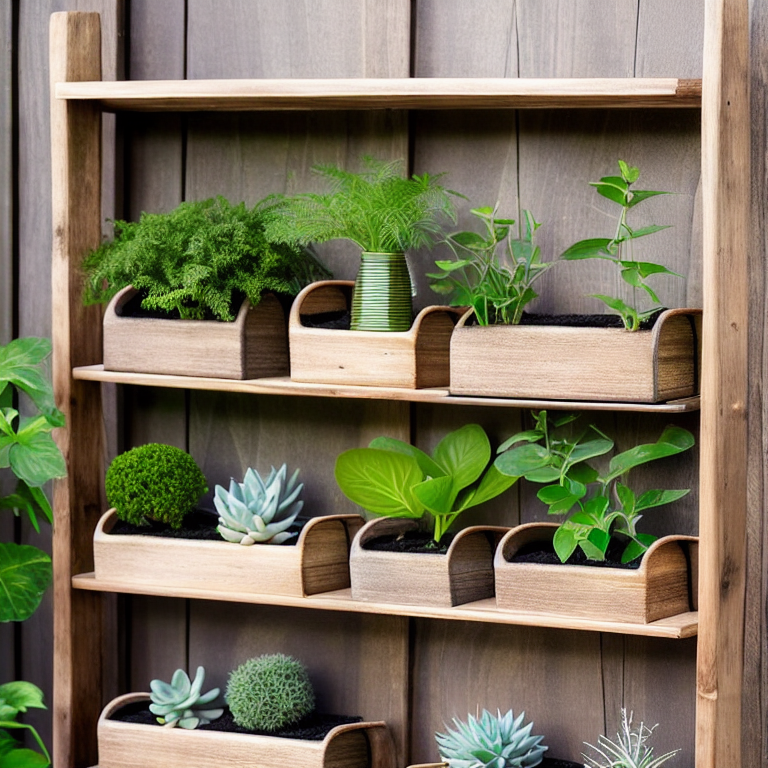
    Growing indoor plants is a wonderful way to bring life and color into your home. But finding the perfect planter can be tricky, especially if you want something unique that matches your style. That’s where making your own custom planters comes in! Creating DIY planters is not only fun and creative, but it also lets you design exactly what you need for your space and plants.

    In this article, we’ll explore many different ways to make custom planters using materials you might already have at home. You’ll learn how to transform everyday items into beautiful homes for your plants. Whether you’re a beginner or have some crafting experience, these ideas will help you create something special while saving money and reducing waste.

    Let’s dive into the world of DIY planters and discover how you can make your indoor garden truly one-of-a-kind!

  • Creative Ways to Organize Your Kitchen with Mason Jars

    Creative Ways to Organize Your Kitchen with Mason Jars

    If you’re tired of cluttered kitchen counters and messy pantry shelves, mason jars might be your new best friend. These simple glass containers are more than just canning tools—they’re versatile, affordable, and perfect for organizing your kitchen in creative ways. Whether you’re working with a small space or just want a cleaner look, mason jars can help you store, display, and even grow things in your kitchen.

    The beauty of using mason jars is that they’re clear, so you can see what’s inside without opening them. Plus, they come in various sizes, stack well, and add a charming, rustic touch to any kitchen. Let’s explore some practical and stylish ways to bring mason jar organization into your cooking space.

    Pantry Storage Solutions

    One of the easiest ways to start using mason jars is for pantry storage. Instead of keeping dry goods in their original packaging, transfer them into jars. This not only looks neater but also keeps food fresher longer. You can store pasta, rice, beans, lentils, and even baking supplies like flour and sugar in jars.

    Label each jar with the contents and expiration date using a chalk marker or sticker labels. This makes it easy to find what you need and helps you keep track of when to restock. For smaller items like spices or tea bags, use half-pint jars that fit neatly in drawers or on shelves.

    Countertop Organization

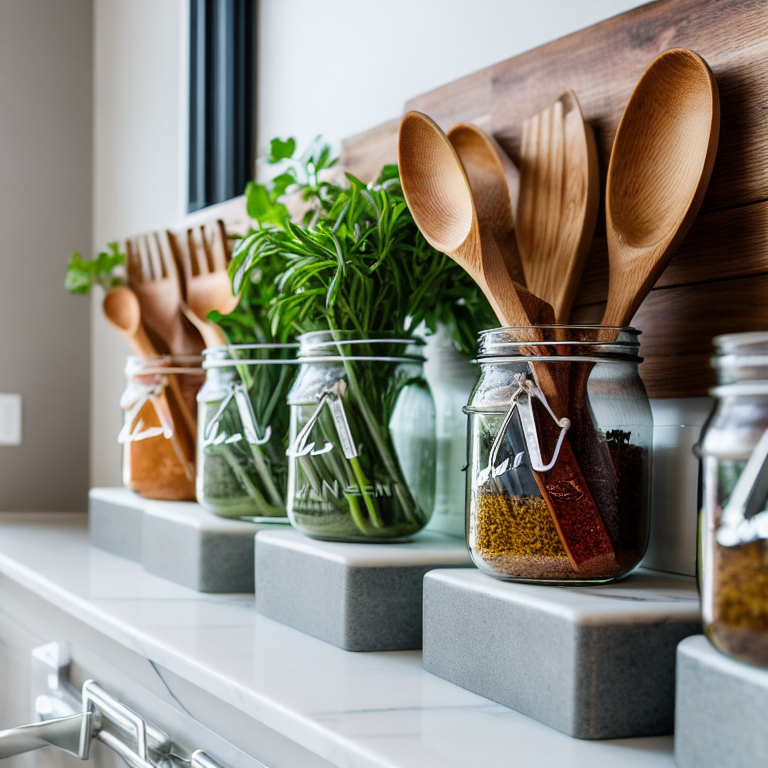
    Mason jars work wonderfully for organizing items you use daily. Keep your cooking utensils in a wide-mouth jar right next to the stove. This keeps them handy while adding a decorative touch. You can also use jars for storing straws, chopsticks, or even small kitchen tools like peelers and measuring spoons.

    For coffee lovers, mason jars make excellent containers for coffee beans, ground coffee, or even K-cups. Group several jars together on a tray to create a coffee station that’s both functional and attractive. If you bake often, dedicate a jar to measuring spoons or cookie cutters for quick access.

    Fridge and Freezer Storage

    Glass jars are perfect for storing leftovers in the fridge. They’re stackable, don’t absorb odors, and you can see what’s inside without opening them. Use pint or quart jars for soups, sauces, chopped vegetables, or marinated meats. Wide-mouth jars make it easier to scoop out contents.

    You can also use mason jars in the freezer, but be sure to leave headspace for expansion and use straight-sided jars to prevent cracking. Frozen soups, smoothies, or pre-prepped ingredients in jars can save you time on busy days.

    Growing Herbs and Small Plants

    If you love fresh herbs but don’t have outdoor space, mason jars can become mini planters. Fill jars with potting soil and plant herbs like basil, parsley, or mint. Place them on a sunny windowsill where they’ll get plenty of light. Just be careful not to overwater, as jars don’t have drainage holes.

    You can also use jars to grow small vegetables like green onions or lettuce. Place the roots in water and watch them regrow. This is a fun and sustainable way to have fresh produce right in your kitchen.

    DIY Mason Jar Organizers

    Get creative by making your own mason jar organizers. Attach jars to a wooden board with hose clamps to create a wall-mounted storage system. This works great for utensils, spices, or even bathroom items if you want to extend the organization beyond the kitchen.

    Another idea is to use a divided wooden crate and fill each section with jars for a portable organizer. This is perfect for moving items around or taking supplies to different areas of your home.

    Craft and DIY Storage

    Mason jars aren’t just for food—they’re also great for storing craft supplies. Use them to organize ribbons, buttons, washi tape, or paintbrushes. The clear glass makes it easy to see what you have, and the jars stack nicely in cabinets or on shelves.

    If you enjoy DIY projects, consider painting the lids of your jars or adding decorative labels. This adds a personal touch and can match your kitchen’s color scheme.

    Cleaning and Maintenance Tips

    To keep your mason jar storage system working well, it’s important to clean and maintain the jars properly. Wash them with warm, soapy water and dry thoroughly before refilling. If you’re storing food long-term, sterilize the jars by boiling them for 10 minutes.

    Check lids and rings regularly for signs of wear or rust, and replace them as needed. For jars used in the freezer, always leave at least an inch of headspace to prevent breakage.

    Frequently Asked Questions (FAQ)

    What size mason jars are best for kitchen organization?

    The best size depends on what you’re storing. Half-pint jars work well for spices and small items, pint jars are great for herbs and snacks, and quart jars are ideal for pasta, rice, and bulk ingredients. Having a variety of sizes gives you more flexibility.

    Can mason jars go in the dishwasher?

    Yes, most mason jars are dishwasher safe. Place them on the top rack and remove the metal lids before washing, as they can rust over time. If you’re concerned about breakage, hand washing is always a safe option.

    How do I prevent mason jars from breaking in the freezer?

    Use straight-sided jars and leave at least an inch of headspace at the top for expansion. Let hot foods cool before freezing, and avoid tightening lids too much until the contents are fully frozen.

    Are mason jars airtight?

    Mason jars with proper lids and rings create an airtight seal, which is why they’re popular for canning and long-term food storage. This also helps keep pantry items fresh and free from pests.

    Can I use mason jars for fermenting?

    Yes, mason jars are excellent for small-batch fermenting. Use fermentation lids or airlocks for best results, and follow safe fermentation practices to avoid contamination.

    How do I label mason jars for easy identification?

    You can use adhesive labels, chalk markers, or even tie tags around the jar necks. Chalk markers are especially handy because you can wipe them clean and relabel as needed.

    Conclusion

    Mason jars are a simple yet powerful tool for organizing your kitchen. They help reduce clutter, keep food fresh, and add a touch of charm to your space. Whether you’re storing pantry staples, growing herbs, or creating DIY organizers, these versatile jars can transform how you use your kitchen.

    Start small by replacing a few cluttered areas with mason jar storage, and you’ll likely find yourself hooked on the clean, organized look. With a little creativity, mason jars can make your kitchen more functional and beautiful at the same time.

  • How to Design a Minimalist Home Office Setup That Sparks Focus

    Creating a minimalist home office isn’t just about making your space look pretty—it’s about building an environment that helps you focus, think clearly, and get more done. When your workspace is free from clutter and distractions, your mind can work better too. Let’s walk through how to design a minimalist home office setup that actually works for you.

    Start With the Right Space

    Before you buy anything new, take a good look at your home and think about where you’ll work best. You don’t need a whole room—many people create amazing minimalist offices in corners, closets, or even under staircases. The key is finding a spot with good natural light if possible, since sunlight helps boost mood and energy. If you’re working with a small area, consider how you can use vertical space with shelves or wall-mounted storage to keep the floor clear.

    Think about noise too. If you live with others, try to choose a spot away from high-traffic areas. Even a simple room divider or curtain can help create a sense of separation between your work zone and living space. This physical boundary helps your brain switch into work mode when you sit down.

    Choose Your Essential Furniture

    The foundation of any minimalist office is having just what you need—no more, no less. Start with a desk that fits your space and work style. For many people, a simple rectangular desk in white, light wood, or black works perfectly. Some prefer standing desks for health benefits, while others need a compact wall-mounted option for tight spaces.

    Your chair matters just as much as your desk. Since you’ll spend hours sitting, invest in an ergonomic chair that supports good posture. Look for clean lines and neutral colors that match your minimalist aesthetic. Remember, in a minimalist setup, every piece should serve a purpose and earn its place.

    Storage is where many people go wrong. Instead of filling your office with filing cabinets and drawers, think vertically. Floating shelves, a single drawer unit under your desk, or even a small cabinet can hold everything you need without creating visual clutter. The goal is to keep surfaces clear and peaceful.

    Keep Your Color Palette Simple

    Color has a huge impact on how a space feels. For a minimalist office, stick to a simple palette of two or three main colors. White, beige, light gray, and natural wood tones create a calm, focused atmosphere. You can add one accent color—maybe a soft blue or sage green—through a single piece of art or a plant pot.

    The magic of a minimalist color scheme is that it makes your space feel larger and more peaceful. When everything works together visually, your brain has fewer things to process, which helps you concentrate better. Avoid bright, busy patterns on walls or large furniture pieces that can feel overwhelming in a small space.

    Light It Right

    Good lighting is essential for both productivity and comfort. Natural light is best, so position your desk near a window if you can. If that’s not possible, invest in quality artificial lighting. A simple desk lamp with adjustable brightness lets you control the light throughout the day. Some people love the clean look of a modern LED lamp with a flexible arm.

    Consider the color temperature of your bulbs too. Cool white light (around 4000K) helps with focus during work hours, while warmer tones are better for evening relaxation. Layer your lighting with one main source plus a softer option for late-night work sessions.

    Declutter Ruthlessly

    Here’s where many minimalist office attempts fall apart: keeping the space clutter-free takes ongoing effort. Start by removing everything from your desk and only putting back items you use daily. A minimalist desk might hold just your computer, a notebook, a pen holder, and maybe a small plant.

    For everything else—chargers, papers, office supplies—find designated storage spots. Use drawer organizers to keep small items tidy. Go paperless when possible by scanning documents and storing them digitally. The less physical stuff you have, the easier it is to maintain a clean, focused workspace.

    Add Life With Intentional Decor

    Minimalism doesn’t mean your office has to feel sterile or boring. One or two carefully chosen decorative elements can make the space feel personal without creating clutter. A single large piece of art on the wall, a small potted plant, or a beautiful notebook can add character while keeping the minimalist vibe.

    Plants are especially great for home offices—they clean the air and add a touch of nature that helps reduce stress. Choose low-maintenance options like snake plants, pothos, or ZZ plants if you don’t have a green thumb. Just one healthy plant can make your office feel more alive and inviting.

    Manage Technology Thoughtfully

    In today’s world, technology is essential for most home offices, but it can also create visual chaos. Keep cables organized with clips or sleeves under your desk. Consider a wireless keyboard and mouse to reduce cord clutter. If you use multiple monitors, look for slim designs and position them to create an efficient workflow.

    Think about what technology you really need. Do you use that second monitor every day, or could you manage with one? Could you replace physical notebooks with a tablet? The goal is to keep only the tech that truly serves your work style.

    Create Daily Habits for Maintenance

    A minimalist office stays that way through consistent habits. Take five minutes at the end of each workday to clear your desk, file away papers, and reset your space for tomorrow. This daily reset prevents clutter from building up and helps you start each morning with a clean slate.

    Weekly, do a quick audit of your office. Are there items that have crept in and don’t belong? Is your storage still working for you? Making small adjustments regularly is much easier than doing a major declutter every few months.

    Focus on Function Over Form

    While aesthetics matter in a minimalist office, function should always come first. Your setup should support how you actually work, not just how it looks in photos. If you need multiple screens for your job, include them. If you work best with a physical notebook, make space for it.

    The minimalist approach is about removing the unnecessary so the essential can shine. When you strip away the excess, you’re left with a workspace that truly serves your needs and helps you do your best work.

    Personalize Your Productivity Zone

    Your minimalist office should reflect your personality and work style. Maybe you concentrate better with complete silence, so you add acoustic panels to the walls. Perhaps you’re more creative with some background noise, so you include a small Bluetooth speaker. The key is making intentional choices that support your unique way of working.

    Consider your workflow when designing your space. If you frequently reference books, keep a small shelf within arm’s reach. If you take a lot of video calls, position your desk to face a simple, professional background. Every element should have a purpose in your daily routine.

    Embrace the Freedom of Less

    One of the best parts of a minimalist home office is the mental freedom it provides. When you’re not surrounded by clutter and distractions, your mind can focus on what matters—your work. Many people find they’re more productive, less stressed, and even more creative in a simplified workspace.

    Remember that minimalism looks different for everyone. Your version might include more items than someone else’s, and that’s perfectly okay. The goal is creating a space that helps you work better, feel calmer, and enjoy spending time in your home office.

    Frequently Asked Questions

    What’s the minimum space needed for a home office?
    You can create a functional minimalist office in as little as 20-30 square feet. A small corner with a compact desk and chair works well for many people. The key is choosing appropriately sized furniture and using vertical space for storage.

    How do I stay motivated to keep my office minimalist?
    Start with a clean slate and only add items back as you need them. Take photos of your ideal setup to remind yourself of your goal. Implement daily and weekly tidying habits. Remember that a clutter-free space helps you work better, which is great motivation to maintain it.

    Can I have color in a minimalist office?
    Absolutely! Minimalism isn’t about being colorless—it’s about being intentional. Choose one or two main colors plus an accent color. Soft, muted tones often work best for creating a calm atmosphere while still adding personality to your space.

    How do I handle paperwork in a minimalist office?
    Go digital whenever possible by scanning documents and using cloud storage. For necessary physical papers, use a small filing system or document box that fits your aesthetic. Regularly purge papers you no longer need to prevent accumulation.

    What’s the best way to light a minimalist office?
    Combine natural light with quality artificial lighting. A desk lamp with adjustable brightness is essential. Consider the color temperature of your bulbs—cooler light for daytime focus, warmer light for evening work. Avoid harsh overhead lighting that can create glare on screens.

    Conclusion

    Designing a minimalist home office is about more than just creating a pretty space—it’s about building an environment that helps you do your best work. By choosing essential furniture, keeping your color palette simple, managing clutter, and adding intentional personal touches, you can create a workspace that feels both peaceful and productive.

    Remember that minimalism is a journey, not a destination. Start with the basics, then gradually refine your space as you discover what truly supports your work style. The beauty of a minimalist approach is that it gives you more—more focus, more clarity, and more freedom to do the work that matters most to you.

    Whether you’re working with a spacious room or a tiny corner, the principles of minimalist design can help you create a home office that’s not just functional, but truly inspiring. Take it one step at a time, and enjoy the process of creating a workspace that helps you thrive.

  • Transform Your Backyard with These Creative Lighting Ideas

    Your backyard can be so much more than just grass and a few chairs. With the right lighting, it can become a magical retreat where you can relax, entertain, and enjoy the outdoors long after the sun goes down. Creative lighting doesn’t just add beauty—it also makes your space safer and more functional. Whether you want a romantic ambiance or a bright area for family gatherings, there’s a lighting idea that’s perfect for you.

    The best part is that you don’t need to spend a fortune or hire a professional to make a big impact. Simple changes like adding string lights, lanterns, or solar-powered stakes can completely transform your outdoor space. With a little planning and creativity, you can create a backyard that feels like an extension of your home—warm, inviting, and full of personality.

    Choosing the Right Lighting for Your Space

    Before you start hanging lights everywhere, it’s important to think about how you use your backyard. Do you love hosting dinner parties? Do your kids play outside in the evening? Or maybe you just want a quiet spot to unwind after work. The way you use your space will help you decide what kind of lighting you need.

    For example, if you entertain often, you might want bright, even lighting over your dining area. If you prefer a cozy vibe, soft, warm lights like string lights or lanterns can create a relaxing atmosphere. Think about where you need light the most—pathways, seating areas, or garden features—and plan your lighting around those spots.

    It’s also important to consider the size and layout of your backyard. A small patio might only need a few well-placed lights, while a larger yard could benefit from a mix of different lighting types. Don’t forget to check your power sources, too. Solar lights are great for areas without outlets, while electric lights can provide more consistent brightness.

    String Lights for a Magical Glow

    String lights are one of the easiest and most popular ways to add charm to your backyard. They’re affordable, versatile, and can be hung almost anywhere. Drape them across a pergola, wrap them around tree trunks, or hang them above your patio to create a canopy of light. The soft, twinkling glow instantly makes any space feel cozy and inviting.

    There are many types of string lights to choose from. Globe lights give a classic, elegant look, while Edison bulbs add a vintage touch. For a more playful vibe, try colorful or themed string lights. If you’re worried about energy costs, look for LED string lights—they use less electricity and last much longer than traditional bulbs.

    Installation is simple, but a little planning goes a long way. Measure your space before you buy lights to make sure you have enough length. Use hooks, clips, or zip ties to secure the lights, and always follow safety guidelines to avoid overloading outlets. With a little effort, string lights can turn your backyard into a magical retreat.

    Lanterns and Candles for a Cozy Ambiance

    Lanterns and candles are perfect for adding a warm, intimate glow to your backyard. They’re easy to move around, so you can change the look of your space whenever you like. Place lanterns on tables, along pathways, or even hang them from tree branches for a whimsical effect. Candles in hurricane vases or mason jars are another great option, especially for creating a romantic setting.

    If you’re concerned about safety, consider using flameless LED candles. They look just like the real thing but don’t pose a fire risk. Some even come with timers or remote controls, so you can set the mood without leaving your seat. For a more eco-friendly option, try solar-powered lanterns that charge during the day and light up automatically at night.

    Mix and match different sizes and styles of lanterns to add visual interest. Group them together for a focal point, or scatter them around for a softer, more diffused light. With lanterns and candles, you can create a backyard that feels like a cozy outdoor living room.

    Pathway Lighting for Safety and Style

    Pathway lighting is both practical and beautiful. It helps guide guests safely through your yard while adding a decorative touch to your landscaping. There are many options to choose from, including solar stakes, low-voltage fixtures, and even glow-in-the-dark pebbles. The key is to place lights close enough together so the path is well-lit, but not so close that it feels like an airport runway.

    Solar pathway lights are a popular choice because they’re easy to install and don’t require wiring. Just push them into the ground along your walkway, and they’ll charge during the day and light up at night. For a more polished look, consider low-voltage fixtures that can be connected to a timer or motion sensor. These provide consistent light and can be adjusted for brightness.

    When planning your pathway lighting, think about the style of your home and garden. Modern homes might look best with sleek, minimalist lights, while a cottage garden could benefit from more rustic, lantern-style fixtures. Whatever you choose, pathway lighting will make your backyard safer and more inviting.

    Highlighting Garden Features with Spotlights

    Spotlights are a great way to draw attention to the best features of your garden. Use them to highlight trees, statues, water features, or flower beds. Uplighting—placing lights at ground level and aiming them upward—can create dramatic shadows and add depth to your landscape. Downlighting, on the other hand, mimics the effect of moonlight and creates a softer, more natural look.

    When choosing spotlights, consider the color temperature of the bulbs. Warm white lights (around 2700K) create a cozy, inviting atmosphere, while cool white lights (5000K or higher) are better for security and visibility. LED spotlights are energy-efficient and long-lasting, making them a smart choice for outdoor use.

    Placement is key when using spotlights. Experiment with different angles and distances to find the most flattering effect. Avoid placing lights too close to plants, as this can create harsh shadows or even damage delicate foliage. With a little trial and error, you can use spotlights to turn your garden into a nighttime masterpiece.

    DIY Mason Jar and Bottle Lights

    If you love crafting, DIY lighting projects are a fun and affordable way to personalize your backyard. Mason jars and glass bottles are perfect for creating unique light fixtures. Fill jars with string lights, hang them from tree branches, or use them as tabletop lanterns. You can even paint the jars or add decorative elements like twine or ribbon for a custom look.

    Bottle lights are another creative option. Simply insert a string of battery-operated lights into a clean, empty bottle and place it on a table or along a pathway. For a more polished look, use a glass drill bit to create a hole in the bottle and thread the lights through. This project is a great way to upcycle old bottles and add a personal touch to your outdoor space.

    If you’re looking for more DIY inspiration, check out these easy handmade gift ideas that anyone can make. Many of the techniques can be adapted for outdoor lighting projects, so you can create something beautiful and unique for your backyard.

    Solar-Powered Lighting Solutions

    Solar-powered lights are a fantastic option for eco-conscious homeowners. They’re easy to install, cost-effective, and require no wiring or electricity. During the day, the solar panels absorb sunlight and store energy in rechargeable batteries. At night, the lights automatically turn on, providing illumination without increasing your energy bill.

    There are many types of solar lights to choose from, including pathway lights, string lights, lanterns, and even spotlights. Some models come with motion sensors for added security, while others have adjustable brightness settings. Look for lights with high-quality solar panels and long-lasting batteries for the best performance.

    To get the most out of your solar lights, place them in areas that receive plenty of direct sunlight during the day. Keep the solar panels clean and free of debris to ensure maximum efficiency. With proper care, solar lights can provide years of reliable, eco-friendly illumination for your backyard.

    Creating Zones with Layered Lighting

    Layered lighting is a design technique that uses multiple light sources to create depth and dimension in a space. In your backyard, this means combining different types of lights—such as string lights, lanterns, and spotlights—to define different areas and activities. For example, you might use bright lights over a dining table, soft lights in a seating area, and subtle lights along a garden path.

    Start by identifying the main zones in your backyard, such as dining, lounging, and gardening areas. Then, choose lighting that suits each zone’s purpose. Overhead lights or pendant lamps work well for dining areas, while floor lamps or table lanterns are perfect for seating areas. Use pathway lights or ground stakes to illuminate walkways and garden beds.

    Don’t be afraid to mix and match styles and colors. A combination of warm and cool lights can add visual interest and create a dynamic atmosphere. With layered lighting, you can transform your backyard into a multi-functional space that’s perfect for any occasion.

    Frequently Asked Questions (FAQ)

    What are the best outdoor lights for a small backyard?
    For small spaces, string lights, lanterns, and solar pathway lights are great options. They’re affordable, easy to install, and don’t take up much space. Focus on lighting key areas like seating or dining spots to make the most impact.

    How can I make my backyard lighting more energy-efficient?
    Choose LED bulbs, which use less energy and last longer than traditional bulbs. Solar-powered lights are another eco-friendly option, as they charge during the day and don’t require electricity. You can also use timers or motion sensors to reduce energy consumption.

    Are solar lights bright enough for outdoor use?
    Modern solar lights are much brighter than older models, thanks to advances in LED technology. While they may not be as bright as electric lights, they’re usually sufficient for pathway lighting, accent lighting, and creating ambiance. For brighter areas like dining spaces, consider combining solar lights with electric ones.

    How do I install outdoor lighting safely?
    Always follow the manufacturer’s instructions and use outdoor-rated fixtures and extension cords. If you’re installing electric lights, make sure to use a ground fault circuit interrupter (GFCI) outlet for safety. For solar lights, simply place them in sunny spots and keep the panels clean.

    Can I use indoor lights outside?
    Indoor lights are not designed to withstand outdoor conditions and can be a safety hazard if exposed to moisture. Always use lights that are rated for outdoor use, as they’re built to handle rain, wind, and temperature changes.

    What’s the best way to hang string lights without damaging my home?
    Use adhesive hooks, clips, or zip ties to hang string lights without drilling holes. For a more permanent solution, install screw-in hooks or eye bolts. If you’re hanging lights on a pergola or fence, make sure the structure can support the weight.

    Conclusion

    Transforming your backyard with creative lighting is easier than you might think. With a little planning and the right mix of lights, you can create a space that’s beautiful, functional, and uniquely yours. Whether you prefer the soft glow of string lights, the cozy warmth of lanterns, or the eco-friendly convenience of solar lights, there’s a lighting solution that’s perfect for your needs.

    Remember to think about how you use your space and choose lights that enhance both its beauty and functionality. Don’t be afraid to experiment with different styles and placements until you find the perfect look. With these creative lighting ideas, your backyard can become a magical retreat that you’ll enjoy night after night.

  • Easy Handmade Gift Ideas That Anyone Can Make (Even If You’re Not Crafty)

    Easy Handmade Gift Ideas That Anyone Can Make (Even If You’re Not Crafty)

    Finding the perfect gift can feel overwhelming, especially when you want something personal and meaningful. Store-bought presents are convenient, but handmade gifts carry a special warmth that shows you truly care. The best part? You don’t need to be an expert crafter to create something beautiful and thoughtful.

    Handmade gifts work for every occasion – birthdays, holidays, housewarmings, teacher appreciation, or just because. They save money while allowing you to customize each present for the recipient. Plus, making gifts yourself can be incredibly relaxing and rewarding. Let’s explore some easy handmade gift ideas that anyone can create, even if you’ve never picked up a glue gun before.

    Simple Bath and Body Gifts

    Everyone loves a little pampering, and homemade bath products make excellent gifts. These items are surprisingly easy to make and require minimal supplies.

    Bath salts are probably the simplest handmade gift you can create. All you need is Epsom salt, sea salt, and a few drops of essential oil. Mix one cup of Epsom salt with half a cup of sea salt, then add 10-15 drops of your favorite essential oil. Lavender promotes relaxation, while peppermint energizes. Package the mixture in a clean glass jar with a ribbon, and you’ve got a luxurious gift that costs less than $5 to make.

    Sugar scrubs are another crowd-pleaser. Combine one cup of sugar with half a cup of coconut oil and a teaspoon of vanilla extract. The sugar exfoliates while the coconut oil moisturizes. For a festive touch, add a few drops of food coloring that matches the recipient’s bathroom decor. These scrubs work wonderfully for gardeners, teachers, or anyone who deserves soft, smooth skin.

    If you want to try something a bit more advanced, homemade soap bars are impressive gifts. Start with a melt-and-pour soap base from a craft store. Melt it in the microwave, add your chosen scents and colors, then pour into silicone molds. You can embed dried flowers, coffee grounds for exfoliation, or even small toys for kids’ soaps. This project takes about 30 minutes plus cooling time.

    Personalized Home Decor Items

    Home decor gifts show you pay attention to someone’s personal style. These items work especially well for housewarmings, weddings, or holiday gifts.

    Painted mugs make excellent personalized gifts. Purchase plain white ceramic mugs from a dollar store, then use oil-based paint markers to create designs. You can write inspirational quotes, draw simple patterns, or personalize with names and dates. After decorating, bake the mugs in the oven at 350°F for 30 minutes to set the design. These mugs become even more special when filled with tea bags, hot chocolate mix, or coffee beans.

    Photo coasters are another easy home decor gift. Print small photos or meaningful quotes on regular paper, then adhere them to ceramic tiles using Mod Podge. Seal with a waterproof varnish and attach felt pads to the bottom. These coasters protect furniture while displaying cherished memories. They’re perfect for grandparents, newlyweds, or friends who appreciate sentimental gifts.

    Hand-painted plant pots bring life to any space. Buy simple terracotta pots and paint them with acrylic craft paint. You can create geometric patterns, ombre effects, or simple polka dots. Add a small succulent or herb plant to complete the gift. Plant lovers will appreciate this thoughtful combination of handmade and living elements.

    Edible Handmade Gifts

    Food gifts are universally appreciated and relatively simple to make. The key is packaging them beautifully to elevate the presentation.

    Homemade cookies are a classic choice. Bake a variety of cookies and package them in decorative tins or cellophane bags tied with ribbon. Consider the recipient’s preferences – chocolate chip for traditionalists, oatmeal raisin for health-conscious friends, or decorated sugar cookies for those who appreciate artistry. Include the recipe card for an extra personal touch.

    Infused olive oils make sophisticated gifts that impress food lovers. Fill clean glass bottles with extra virgin olive oil, then add herbs like rosemary, thyme, or garlic cloves. Let the bottles sit for a week before gifting to allow the flavors to develop. These oils transform simple dishes and show you put thought into the gift.

    Homemade jam or preserves capture seasonal flavors perfectly. Strawberry jam in summer, apple butter in fall, or citrus marmalade in winter – each has its own charm. The process takes a bit more time but yields impressive results. Package the jars with fabric covers and handwritten labels for that authentic homemade look.

    Thoughtful Paper Crafts

    Paper crafts offer endless possibilities for personalization and creativity. These gifts work well for teachers, coworkers, or anyone who appreciates the written word.

    Handmade greeting cards stand out in a world of digital communication. Use cardstock, washi tape, rubber stamps, or pressed flowers to create unique designs. Write a heartfelt message inside that expresses your appreciation for the recipient. These cards become keepsakes that people save for years.

    Recipe books compiled from family favorites make meaningful gifts, especially for new cooks or people moving away from home. Type up beloved recipes, add photos if possible, and bind them in a simple binder or have them printed at a copy shop. Include stories about where each recipe came from or memories associated with certain dishes.

    Origami creations offer a unique handmade touch. Fold paper cranes, flowers, or boxes that can serve as ornaments or small gift containers. Use decorative paper or even pages from old books for a vintage look. These delicate creations show patience and care in their making.

    Practical Handmade Accessories

    Functional gifts get used regularly, keeping your thoughtfulness in the recipient’s daily life. These items combine beauty with utility.

    Tote bags are incredibly useful and surprisingly easy to customize. Start with a plain canvas tote and use fabric paint, iron-on transfers, or embroidery to add designs. Create bags for specific purposes – a farmer’s market tote, a library bag, or a gym bag. Add pockets or key clips to increase functionality.

    Scarf or headband sets make cozy winter gifts. Knit or crochet simple infinity scarves using bulky yarn for quick results. If knitting seems intimidating, try arm knitting which creates beautiful chunky scarves in under an hour. Pair with a matching headband for a complete set that keeps someone warm and stylish.

    Keychain accessories are small but meaningful gifts. Create leather tassels, beaded designs, or embroidered fabric keychains. These practical items get used daily and serve as constant reminders of your thoughtfulness. They’re also perfect for stocking stuffers or adding to a larger gift.

    Eco-Friendly Handmade Gifts

    Environmentally conscious gifts show you care about both the recipient and the planet. These sustainable options are increasingly appreciated.

    Beeswax wraps replace plastic wrap and make excellent kitchen gifts. Cut cotton fabric into various sizes, then coat with melted beeswax, pine resin, and jojoba oil. These wraps are reusable, biodegradable, and keep food fresh naturally. Package them with a care instruction card for a complete eco-friendly gift set.

    Reusable shopping bags sewn from old t-shirts or fabric scraps give new life to materials that might otherwise be discarded. Cut and sew simple tote shapes, then decorate with fabric paint or embroidery. These bags reduce plastic waste while providing a practical gift that gets used frequently.

    Plantable seed paper combines a card with a gift that grows. Make paper from recycled materials, then mix in wildflower or herb seeds before pressing. The recipient can plant the paper and watch flowers or herbs grow, creating a living reminder of your gift.

    Memory and Keepsake Gifts

    Gifts that capture memories become treasured possessions. These handmade items preserve special moments in tangible forms.

    Memory jars collect small notes about shared experiences, inside jokes, or reasons you appreciate someone. Decorate a jar and fill it with handwritten notes on colorful paper. The recipient can read one note whenever they need a pick-me-up. This gift keeps giving long after the occasion has passed.

    Photo albums or scrapbooks preserve visual memories beautifully. Print photos and arrange them in albums with captions, ticket stubs, and other memorabilia. Create themes like “Our Adventures Together” or “Favorite Moments of the Year.” The time you invest in arranging and decorating makes this gift especially meaningful.

    Time capsule boxes capture the present for future enjoyment. Fill a decorative box with current photos, newspaper clippings, small mementos, and letters to your future self. Seal it with instructions not to open until a specific date. This creative gift becomes more valuable with time.

    Kid-Friendly Handmade Gifts

    Children appreciate handmade gifts, especially when they’re interactive or personalized. These projects work well for kids to make for parents, grandparents, or friends.

    Handprint art creates lasting memories of little hands. Paint children’s hands and press them onto paper, canvas, or fabric to create animals, trees, or abstract designs. Add dates and ages to track growth over time. Grandparents particularly treasure these personalized creations.

    Story stones encourage creativity and storytelling. Paint simple images on smooth stones – animals, weather symbols, houses, or people. Package them in a small bag with instructions for creating stories. These open-ended toys spark imagination and provide hours of entertainment.

    Personalized pillowcases make bedtime special. Use fabric markers or paint to decorate plain pillowcases with drawings, handprints, or written messages. Kids can create their own designs or make gifts for siblings and friends. These practical items become cherished possessions.

    Frequently Asked Questions (FAQ)

    What are the cheapest handmade gifts to make?

    The most affordable handmade gifts use materials you likely already have at home. Baked goods like cookies or bread cost just a few dollars in ingredients. Paper crafts using scrap paper, old magazines, or cardboard are essentially free. Bath salts require only salt and essential oils, making them very economical. Mason jar gifts filled with dry ingredients for cookies or soup mix also keep costs minimal while looking impressive.

    How far in advance should I make handmade gifts?

    Most handmade gifts benefit from being made 1-2 weeks before giving. Bath products and food items should be made closer to the gift date to ensure freshness. Paper crafts and home decor items can be made a month in advance if stored properly. If you’re making multiple gifts, start 3-4 weeks ahead to avoid last-minute stress. This timeline allows for mistakes and do-overs without panic.

    What if I’m not crafty or artistic?

    Many handmade gifts require no artistic skill whatsoever. Bath salts, infused oils, and baked goods are practically foolproof. Simple sewing projects like tote bags use straight lines that anyone can manage. Even painting projects can be successful with stencils or simple techniques like sponge painting. Remember that the handmade aspect itself shows thoughtfulness, and imperfections often add charm and authenticity.

    How can I package handmade gifts to look professional?

    Professional-looking packaging elevates any handmade gift. Use clear cellophane bags tied with quality ribbon for food items. Mason jars with fabric covers and twine look rustic and intentional. Gift boxes lined with tissue paper work for most items. Add handwritten tags or labels to personalize further. The presentation matters almost as much as the gift itself in creating that wow factor.

    What are good handmade gifts for men?

    Many handmade gifts appeal to men when chosen thoughtfully. Infused barbecue sauces, homemade spice rubs, or flavored nuts cater to food lovers. Wooden items like coasters or phone stands suit practical types. Personalized drinkware, leather keychains, or tech accessories work well for gadget enthusiasts. The key is focusing on their interests rather than stereotypical “manly” crafts.

    Conclusion

    Handmade gifts carry a special significance that store-bought items simply cannot match. They represent time, effort, and genuine care for the recipient. The beauty of handmade gifts lies not in perfection, but in the personal touch and thoughtfulness behind each creation.

    Whether you choose to make simple bath products, personalized home decor, or edible treats, the process itself can be as rewarding as the giving. Start with projects that match your skill level and available time, then gradually try more complex creations as your confidence grows.

    Remember that the most important ingredient in any handmade gift is the love and intention you put into making it. Even the simplest creation becomes extraordinary when made with someone specific in mind. So gather your supplies, choose a project that speaks to you, and enjoy the satisfaction of creating something truly special for someone you care about.

  • 5 Creative Ways to Upcycle Old Furniture and Give It New Life

    That old dresser in your garage or the worn-out chair in your basement doesn’t have to end up in a landfill. With a little creativity and some basic tools, you can transform forgotten furniture into stunning pieces that add character to your home. Upcycling old furniture isn’t just good for the planet—it’s also incredibly satisfying and can save you hundreds of dollars compared to buying new pieces.

    The beauty of upcycling lies in seeing potential where others see trash. That scratched coffee table could become a statement piece with some paint and new hardware. Those mismatched chairs might turn into a charming bench with a fresh coat of paint and some creativity. The possibilities are endless, and the best part is that each project reflects your personal style.

    Before we dive into specific projects, let’s talk about why upcycling matters. The Environmental Protection Agency estimates that furniture accounts for over 12 million tons of waste in landfills each year. By giving old pieces new life, you’re reducing waste and creating something unique that tells a story. Plus, upcycled furniture often has better construction than modern mass-produced pieces, making it both eco-friendly and practical.

    Finding Your Upcycling Inspiration

    The first step in any upcycling project is finding the right piece. You don’t need to spend a fortune—in fact, some of the best finds come from thrift stores, garage sales, or even curbside on bulk pickup days. Look for solid wood pieces with good bones, even if the finish is worn or the color is outdated. Dents and scratches can be fixed, but structural damage might be more challenging to repair.

    When you’re browsing for pieces to transform, think about your space and what you need. That outdated entertainment center could become a charming bar cart. An old door might make a perfect dining table with some sturdy legs attached. The key is to see beyond the current state and imagine the possibilities.

    Once you’ve found your piece, take some time to plan your transformation. Consider your skill level, available tools, and the time you can dedicate to the project. Some transformations are simple weekend projects, while others might take several weeks of careful work. Start with something manageable and work your way up to more complex projects as you gain confidence.

    1. Transform a Dresser into a Kitchen Island

    That old dresser collecting dust in your spare room could become the centerpiece of your kitchen. Dressers make perfect kitchen islands because they already have drawers for storage and a sturdy top that can handle daily use. This transformation works especially well with solid wood dressers that have interesting details or vintage charm.

    Start by cleaning the dresser thoroughly and removing any hardware you don’t want to keep. Sand the entire piece to create a smooth surface for painting or staining. Choose a paint color that complements your kitchen—bold colors can make a statement, while neutral tones blend seamlessly with existing decor.

    For the top, you have several options. You could sand and refinish the existing top for a rustic look, add a butcher block surface for a warm, natural feel, or install a marble or quartz remnant for a more luxurious appearance. Don’t forget to add casters to the bottom if you want your island to be mobile, and consider adding hooks or a towel bar to the sides for extra functionality.

    This project typically takes a weekend to complete and costs significantly less than purchasing a new kitchen island. Plus, you end up with a one-of-a-kind piece that perfectly fits your space and storage needs.

    2. Create a Reading Nook Bench from Old Chairs

    Have you ever seen a set of mismatched dining chairs at a thrift store and wondered what to do with them? Here’s your answer: transform them into a charming bench for your reading nook or entryway. This project is perfect for those who love eclectic, collected-over-time decor styles.

    Start by finding three or four chairs with similar seat heights. The seats don’t need to match—in fact, variety adds character to the finished piece. Remove the seats from the chairs and set them aside. You’ll need to build a simple wooden frame that connects all the chairs at the base, creating a stable platform.

    Once your frame is built and attached to the chairs, create a new bench seat using plywood covered with foam and your choice of fabric. This is where you can really personalize the piece—choose a bold pattern for a statement look, or a neutral fabric for something more subtle. Reattach the original chair backs or replace them with something new, depending on your style preference.

    This bench works beautifully in a cozy reading nook, especially when paired with soft lighting and some throw pillows. If you’re looking for more ideas on creating the perfect reading space, check out our guide on how to create a cozy reading nook on a budget.

    3. Turn an Old Door into a Dining Table

    Vintage doors have so much character—from their unique panel designs to the beautiful wear patterns that tell stories of years gone by. With some basic carpentry skills, you can transform an old door into a stunning dining table that becomes a conversation starter at every meal.

    Look for a solid wood door in good condition. Six-panel doors work particularly well for this project, but any door with interesting details will do. Clean the door thoroughly and sand it to remove any rough spots or old finish. You can choose to preserve the door’s natural character with a clear sealant, or paint it for a more modern look.

    For the base, you’ll need to build or purchase table legs that can support the weight of the door. Hairpin legs create a mid-century modern look, while traditional turned legs give a more classic appearance. Make sure the legs are properly attached to support the door’s weight and provide stability.

    The beauty of this project is that each table is completely unique. The door’s original features—whether it’s a beautiful wood grain, interesting hardware holes, or vintage paint layers—become part of your table’s story. This is also a great project for those who love the idea of repurposing old content into something new, as discussed in our guide on how to repurpose old content into something new.

    4. Make Mason Jar Wall Storage from an Old Window Frame

    Old window frames are incredibly versatile for upcycling projects. One of the most practical and charming uses is creating wall storage with mason jars. This project works beautifully in kitchens, bathrooms, or craft rooms where you need both storage and a touch of vintage charm.

    Start with a wooden window frame that has multiple panes. Clean it thoroughly and decide whether you want to paint it or leave it in its natural, weathered state. For each pane, you’ll attach a metal hose clamp that can hold a mason jar. These clamps can be found at any hardware store and are relatively inexpensive.

    Mount the frame securely on your wall, making sure it’s attached to studs for proper support. Then, attach the mason jars using the hose clamps. These jars can hold everything from kitchen utensils and spices to bathroom supplies or craft materials. The clear glass lets you see what’s inside while the vintage frame adds character to your wall.

    This project is particularly appealing because it combines functionality with decoration. You’re creating storage space while also adding an interesting visual element to your room. Plus, it’s a relatively simple project that doesn’t require advanced carpentry skills, making it perfect for upcycling beginners.

    5. Create a Coffee Table from a Wooden Pallet

    Wooden pallets are often available for free from local businesses, making them an excellent resource for budget-friendly furniture projects. With some basic tools and a weekend of work, you can transform a pallet into a rustic coffee table that adds warmth and character to your living space.

    The process starts with selecting a pallet in good condition—look for ones that are structurally sound without major cracks or rot. Sand the entire pallet thoroughly to remove splinters and create a smooth surface. You may want to add extra boards between the pallet’s existing boards for a more solid tabletop surface.

    For the legs, you can use more pallet wood cut to size, purchase pre-made furniture legs, or even add casters for a mobile coffee table. The height is up to you—just make sure it’s comfortable for your seating arrangement. Once the basic structure is complete, you can stain or paint the wood to match your decor.

    One of the best features of pallet coffee tables is the built-in storage. The spaces between the boards create perfect spots for books, magazines, or baskets. You can also add a bottom shelf using more pallet wood for additional storage space.

    This project is a great example of how simple materials can be transformed into something beautiful and functional. It’s also an excellent way to practice your upcycling skills before moving on to more complex furniture transformations.

    Adding the Finishing Touches

    The difference between a good upcycled piece and a great one often lies in the details. Hardware can completely transform the look of a piece—try swapping out old drawer pulls for something modern and sleek, or add vintage knobs for a more traditional feel. Even something as simple as new hinges can make a big difference in how a piece looks and functions.

    Consider the power of paint or stain to completely change a piece’s appearance. A dated oak dresser can become a modern statement piece with a coat of deep navy blue paint. Or, you might choose to highlight the natural beauty of the wood with a clear sealant that brings out the grain pattern.

    Don’t forget about the power of decoupage, stenciling, or other decorative techniques to add personality to your upcycled pieces. You can use wallpaper remnants, vintage book pages, or even fabric to create unique surfaces that reflect your personal style.

    Common Upcycling Mistakes to Avoid

    One of the biggest mistakes new upcyclers make is not properly preparing their piece before starting. Always clean and sand your furniture thoroughly—paint and stain won’t adhere properly to dirty or glossy surfaces. Take the time to fill any holes or repair damage before you begin your transformation.

    Another common error is choosing the wrong type of paint or finish for your project. Make sure you’re using products that are appropriate for the material you’re working with and the piece’s intended use. For example, kitchen tables need durable, food-safe finishes, while outdoor furniture requires weather-resistant products.

    Don’t underestimate the importance of proper tools. While you don’t need a fully equipped workshop to start upcycling, having the right basic tools—like a good quality sander, drill, and measuring tools—will make your projects much easier and more successful.

    Tools and Materials You’ll Need

    Starting your upcycling journey doesn’t require a huge investment in tools. Here are the basics that will serve you well across multiple projects:

    A good quality orbital sander is essential for most furniture projects. It saves hours of hand sanding and creates a much smoother finish. You’ll also need various grits of sandpaper, from coarse (60-80 grit) for removing old finishes to fine (220+ grit) for final smoothing.

    A cordless drill with various bits is another must-have tool. You’ll use it for everything from removing old hardware to creating new holes for updated pieces. A measuring tape, level, and square will help ensure your projects are properly aligned and balanced.

    For painting and finishing, invest in quality brushes and rollers. Cheap brushes often leave bristles in your finish and can make your hard work look amateurish. Drop cloths, painter’s tape, and proper ventilation are also important for creating a professional-looking result.

    Where to Find Furniture to Upcycle

    The best upcycled pieces often come from unexpected places. Thrift stores are obvious choices, but don’t overlook estate sales, garage sales, and even online marketplaces where people give away furniture they no longer want. Sometimes the best finds are those that others have deemed too much work to fix.

    Building relationships with local businesses can also yield great results. Furniture stores often have floor models they need to clear out, and construction sites sometimes have materials they’re willing to let you take. Always ask before taking anything, and be prepared to explain your upcycling vision—many people are excited to see old items given new life.

    Consider organizing or participating in community swap events where people exchange items they no longer need. These events can be goldmines for upcycling materials and also connect you with other creative people who might share tips and inspiration.

    Frequently Asked Questions About Upcycling Furniture

    What’s the best type of furniture to start with for beginners?

    The best pieces for beginners are those that don’t require complex structural repairs. Simple items like side tables, basic dressers, or wooden chairs are great starting points. Look for solid wood pieces that just need cosmetic updates rather than major repairs. Avoid items with significant water damage, extensive veneer problems, or structural issues until you’ve gained more experience.

    How much should I expect to spend on an upcycling project?

    The cost varies widely depending on the project and materials you choose. Many successful upcycled pieces cost between $20-100 in materials, especially if you’re using paint and basic hardware. The furniture itself is often free or very inexpensive if you’re sourcing from thrift stores or getting pieces from friends and family. Compare this to buying new furniture, where similar quality pieces often cost hundreds or thousands of dollars.

    Do I need special skills to upcycle furniture?

    Basic DIY skills like sanding, painting, and using simple hand tools are enough to get started with many projects. As you tackle more complex transformations, you might need to learn new skills like basic carpentry or upholstery. The internet is full of tutorials and guides that can walk you through new techniques. Start with simple projects and build your skills gradually—you’ll be surprised how quickly you improve.

    How do I know if a piece is worth upcycling or if I should just buy new?

    Consider the piece’s construction quality, the cost of materials needed for transformation, and whether the final result will meet your needs. Pieces made from solid wood with good joinery are usually worth the effort, as they’re often better quality than modern mass-produced furniture. Also consider the piece’s size and whether you can realistically transport and work with it in your space.

    What safety precautions should I take when upcycling furniture?

    Always work in a well-ventilated area when using paints, stains, or other chemicals. Wear appropriate safety gear including eye protection, dust masks when sanding, and gloves when handling chemicals or sharp tools. Be cautious of lead paint in very old pieces—if you suspect lead paint, use proper containment and cleanup procedures or consult a professional. Make sure your work area is stable and that you’re using tools correctly to avoid accidents.

    Conclusion

    Upcycling old furniture is more than just a budget-friendly way to decorate your home—it’s a creative journey that allows you to express your personality while making environmentally conscious choices. Each piece you transform carries your unique touch and becomes a conversation starter that tells a story of creativity and resourcefulness.

    The beauty of upcycling lies in its accessibility. You don’t need to be a professional carpenter or designer to create beautiful, functional pieces for your home. Start with simple projects, learn as you go, and don’t be afraid to experiment. Some of the most charming upcycled pieces come from happy accidents and creative problem-solving.

    Remember that upcycling is about seeing potential and having the courage to try something new. That worn-out dresser or scratched table isn’t trash—it’s an opportunity waiting for your creative vision. With some basic tools, a little patience, and a willingness to learn, you can transform forgotten furniture into cherished pieces that bring joy and character to your home for years to come.

    Whether you’re motivated by sustainability, budget constraints, or simply the love of creating something unique, upcycling offers endless possibilities. So the next time you see an old piece of furniture that others might overlook, see it for what it could become rather than what it is. Your perfect upcycled creation might be just one transformation away.

  • How to Create a Cozy Reading Nook on a Budget

    Creating a cozy reading nook on a budget is easier than you think. With a little creativity and some smart shopping, you can turn any corner of your home into a peaceful retreat for reading and relaxing. Whether you have a small apartment or a spacious house, there’s always a way to carve out a special spot just for you and your books. In this guide, we’ll walk you through simple steps to design a reading nook that feels inviting, comfortable, and totally budget-friendly.

    Choosing the Perfect Spot

    The first step in creating a cozy reading nook is finding the right location. Look around your home for a quiet corner, a window seat, or even a small unused closet. Natural light is a big plus, so try to pick a spot near a window if possible. If space is tight, a corner of your bedroom or living room can work just as well. Think about how much privacy you want—some people love a tucked-away nook, while others prefer a spot that’s open and airy. Don’t forget to consider noise levels; a peaceful area away from the hustle and bustle will help you focus on your book.

    Selecting Budget-Friendly Seating

    You don’t need to spend a fortune on seating for your reading nook. A comfy chair is ideal, but even a large floor cushion or a bean bag can do the trick. Check out thrift stores, garage sales, or online marketplaces for affordable options. Sometimes, a little DIY can make a big difference—reupholstering an old chair or adding a soft throw can give it new life. If you’re handy, you might even build a simple bench with storage underneath. The key is to find something that supports your back and makes you want to sit and read for hours.

    Lighting That Sets the Mood

    Good lighting is essential for any reading nook. Natural light is best during the day, but for evenings, you’ll need a reliable light source. Look for budget-friendly lamps at discount stores or online. A simple desk lamp, a clamp-on reading light, or even string lights can add a warm, cozy glow. If you want to get creative, try making your own lamp with a mason jar or a thrifted base. Soft, warm light is easier on the eyes and helps create a relaxing atmosphere. Don’t forget to position your light so it shines directly on your book without causing glare.

    Adding Soft Textures and Comfort

    Soft textures can make your reading nook feel extra inviting. Think about adding a plush throw blanket, a couple of comfy pillows, or even a soft rug if you have space. These items don’t have to be expensive—look for sales, clearance racks, or even make your own pillow covers from old fabric. Layering different textures, like a knit blanket over a cotton pillow, adds depth and comfort. The goal is to create a space where you can curl up and feel completely at ease.

    Organizing Your Book Collection

    A reading nook isn’t complete without books! If you don’t have a bookshelf, don’t worry—there are plenty of budget-friendly storage ideas. Floating shelves, a small crate, or even a stack of books on a side table can work. You can also repurpose items you already own, like a wine crate or a basket, to hold your books. Keep your current reads within arm’s reach and organize the rest by genre or color for a tidy look. If you’re short on space, consider a vertical book tower or a wall-mounted magazine rack.

    Personalizing Your Space

    Adding personal touches makes your reading nook feel truly yours. Hang a favorite piece of art, display a cherished photo, or add a small plant for a bit of greenery. You can also incorporate items that inspire you, like a vision board or a collection of postcards. Don’t be afraid to mix and match styles—your nook should reflect your personality and make you happy every time you step into it. Even small details, like a scented candle or a favorite mug, can make the space feel more special.

    Keeping It Clutter-Free

    A cozy reading nook should be a calm, clutter-free zone. Try to keep only the essentials in your nook—your current book, a blanket, and maybe a notebook or pen. Use baskets or bins to store extra items out of sight. If you tend to accumulate clutter, set a rule to tidy up your nook at the end of each day. A clean, organized space will help you relax and focus on your reading.

    Making It Multi-Functional

    If you’re short on space, consider making your reading nook multi-functional. A small table can double as a spot for your coffee and a place to work on puzzles or write in your journal. If you have kids, create a shared nook with a basket of books for them too. You can even add a small speaker for playing soft music or audiobooks. The more versatile your nook, the more you’ll use it.

    Frequently Asked Questions (FAQ)

    What’s the best chair for a reading nook on a budget?
    Look for a comfortable, supportive chair that fits your space. Thrift stores, garage sales, and online marketplaces often have great deals. Even a large floor cushion or bean bag can work if you’re really tight on space or budget.

    How can I add storage to my reading nook without spending much?
    Use floating shelves, repurpose crates or baskets, or stack books on a small side table. Wall-mounted magazine racks or vertical book towers are also space-saving and affordable.

    What kind of lighting is best for reading?
    Natural light is ideal during the day. For evenings, choose a warm, soft light that shines directly on your book without causing glare. Desk lamps, clamp-on lights, or even string lights can create a cozy atmosphere.

    How do I keep my reading nook organized?
    Limit the items in your nook to the essentials. Use baskets or bins for extra storage, and tidy up at the end of each day. A clutter-free space helps you relax and focus.

    Can I create a reading nook in a small apartment?
    Absolutely! Look for a quiet corner, a window seat, or even a closet. Use space-saving furniture and keep the design simple. A small nook can be just as cozy and inviting as a larger one.

    What are some budget-friendly ways to personalize my nook?
    Add personal touches like photos, art, or a small plant. Use items you already own, like a favorite mug or a scented candle. Even small details can make the space feel special and uniquely yours.

    Conclusion

    Creating a cozy reading nook on a budget is all about using what you have, shopping smart, and adding personal touches that make the space inviting. With a little creativity and some thoughtful planning, you can design a nook that’s perfect for escaping into your favorite books. Remember, the best reading nook is one that feels comfortable, reflects your style, and brings you joy every time you use it. Happy reading!