Eco-Friendly Sewing Supplies for Sustainable Crafting
Sewing has always been a cherished craft rooted in resourcefulness passed down through generations! Historically, garments were mended, altered, and passed down, never discarded! Today, modern sustainable sewing brings that spirit forward by combining traditional skills with eco-friendly sewing supplies that reduce environmental impact without sacrificing creativity or quality.
This guide explores eco-friendly sewing supplies, sustainable fabrics, ethical notions, and mindful sewing practices—plus where to find them—so you can craft in a way that aligns with your values and supports a healthier planet!
Why Choose Eco-Friendly Sewing Supplies?
Sustainable crafting goes far beyond aesthetics: it embodies a deep-seated responsibility towards out planet! Choosing eco-friendly sewing materials supports environmental health, ethical labor, and even personal well-being. Every spool of thread or yard of fabric is an opportunity to vote with your dollars.

Environmental Impact of Conventional Sewing Materials
Many traditional sewing supplies rely on petroleum-based synthetics, chemical dyes, and resource-intensive manufacturing processes. Polyester thread, plastic buttons, and chemically treated fabrics can take hundreds of years to break down in landfills.
By switching to sustainable sewing supplies, you help reduce pollution, conserve water, and limit the use of harmful chemicals! By opting for these materials, we actively participate in reducing pollution, conserving natural resources, and endorsing ethical production practices! These kind of small decisions very often align with supporting small business and fair trade. The ripples created go far in communities globally.
Benefits of Sustainable Sewing Materials
Reduces Textile Waste
Eco-friendly fabrics are often more durable and biodegradable, meaning they stay out of landfills longer and break down more naturally at the end of their life cycle! They don’t stick around as long and just add to the environmental burden.
Supports Ethical and Fair-Trade Practices
Many sustainable sewing brands prioritize fair wages, safe working conditions, and transparent supply chains—supporting workers and communities worldwide. All that ensures that workers and supplies are treated with respect, which in turn contributes to better products, local devotion, and community development!
Promotes Healthier Crafting
Organic and natural materials reduce exposure to harsh chemicals, making handmade items less toxic for everyone. This makes for safer crafting, especially for those with sensitive skin or allergies on top of other concerns!
Encourages Creativity and Intentional Making
Working with sustainable materials often inspires slower, more thoughtful design choices.. and that results in pieces that are meaningful, personal, and long-lasting. This type of thinking often opens crafters to explore new techniques and design process that expose the mind to new and usually more healthy word-honoring possibilities!
Sustainable Fabrics for Eco-Friendly Sewing Projects
Choosing the right fabric is one of the most impactful decisions you can make as a sewist. These eco-friendly fabric options balance sustainability, durability, and versatility.
1.Organic Cotton Fabric
Organic cotton is grown without synthetic pesticides or genetically modified seeds, making it safer for farmers and ecosystems. It’s prized for a softness and versatility that make it the best choice for many sewing projects.
Best uses:
- Quilts
- Apparel
- Baby items
- Home décor
2. Hemp Fabric
Hemp is one of the most sustainable textiles available. It grows quickly, requires minimal water, and naturally resists pests, making it super eco-friendly.
Why sewists love hemp:
- Extremely durable
- Softens with each wash and use
- Breathable and strong
Best uses: bags, pants, jackets, upholstery
3. Linen Fabric (Flax-Based Textiles)
Linen comes from the flax plant, which requires less water and fewer chemicals than cotton. It stands out as a top choice for sustainable minded crafters for a few reasons.
Benefits of linen:
- Fully biodegradable
- Naturally temperature-regulating
- Long-lasting
Perfect for garments, curtains, table linens, and summer clothing.
4. Bamboo Fabric (With Considerations)
Bamboo grows rapidly and regenerates without replanting. Look for mechanically processed bamboo linen rather than chemically processed rayon for the most sustainable option.
Best features:
- Very Breathable
- Naturally antibacterial properties
- Soft and moisture-wicking
5. Recycled Fabric and Deadstock Textiles
Recycled fabrics and deadstock materials prevent unused textiles from going to waste. Plus it can make crafting into a fun puzzle where you try to reuse what you have found or already had at home!
Examples include:
- Recycled polyester from plastic bottles
- Deadstock fashion fabrics
- Upcycled garments
These are excellent options for sustainable fashion sewing and zero-waste projects.

Eco-Friendly Sewing Notions and Supplies
Sustainable sewing goes beyond fabric. Notions—often overlooked—can make a big difference.
1.Recycled Thread
Made from post-consumer plastic bottles or textile waste, recycled thread offers durability with a reduced environmental footprint.
2. Biodegradable Buttons and Closures
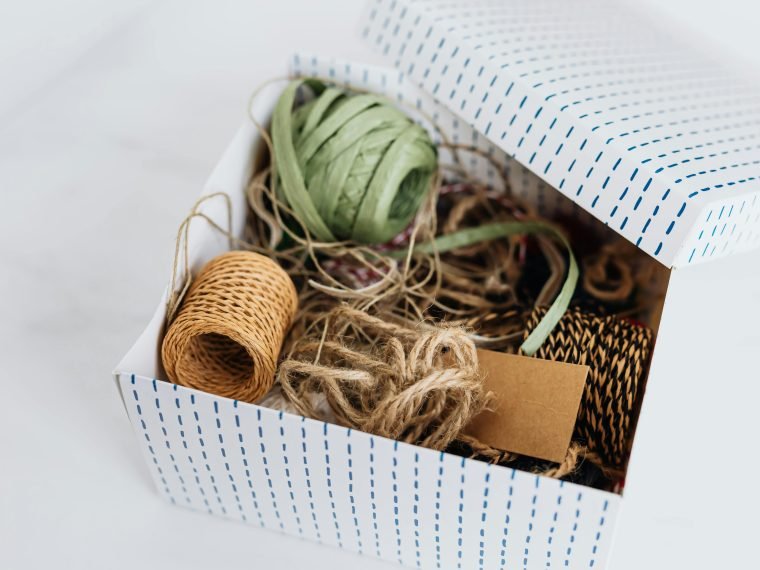
Choosing buttons crafted from natural materials adds a rustic touch to projects while ensuring they return to the earth harmlessly. Choose buttons made from natural materials like:
- Wood
- Coconut shell
- Corozo (vegetable ivory)
- Shell
These materials add SO MUCH character while remaining biodegradable!
3. Organic Cotton Batting
Perfect for quilting and padded projects, organic cotton batting is free from chemical binders and synthetic fibers without sacrificing warmth and comfort.
4. Natural Dye Kits
Plant-based dyes made from indigo, madder root, onion skins, or avocado pits offer an infusion of rich, earthy colors without toxic runoff. Though they are more widely available, synthetic dyes cause a much more terrible environmental impact.
Great for:
- Hand-dyed fabric
- Custom projects
- Slow crafting rituals
Where to Buy Eco-Friendly Sewing Supplies
As demand grows, you’ll be happy to know that eco-conscious sewing supplies are becoming more accessible than ever!
Online Shops for Sustainable Sewing Materials
1. Etsy
Etsy is a diverse global marketplace filled with small businesses offering organic fabrics, recycled notions, and handmade tools. It’s a treasure trove of eco-friendly sewing supplies offered by independent sellers worldwide, as long as you pay attention to who you are buying from!
2. Organic Cotton Plus
Specializes in certified organic fabrics, low-impact dyes, and sustainable batting. This store provides a comprehensive selection of both textiles and notions, catering to eco-conscious crafters.
3. The Fabric Store
Renowned for transparency and ethical sourcing, offering eco-friendly fabrics including linen, TENCEL™, and organic cotton. The Fabric Store curates a selection of eco-friendly fabrics that uphold their dedication to being environmentally conscious.
Shopping Local: The Most Sustainable Choice
Supporting local businesses is a sustainable practice in itself, one we should all practice! Local fabric stores often stock deadstock bolts, vintage notions, and eco-friendly materials sourced regionally. Many small sewing shops are now exclusively stocking eco-friendly options made or stored nearby, allowing you to discover unique vintage and locally sourced stuff that you could never find online. Shopping locally reduces shipping emissions and strengthening ties to local community economies.
Sustainable Sewing Practices Beyond Supplies
True sustainable crafting is about your habits: not just your purchases! Adopting mindful practices in your crafting routine can significantly enhance your eco-friendly efforts:

1. Repurpose and Upcycle Materials
Turn worn clothing, fabric scraps, or thrifted textiles into completely new creations! Upcycling is one of the most powerful waste-reducing practices in sewing. There are pounds and pounds of discarded items sitting worldwide that are just begging to be reused. Think of the creativity you can use here while breathing life into old materials.
2. Practice Zero-Waste Sewing Techniques
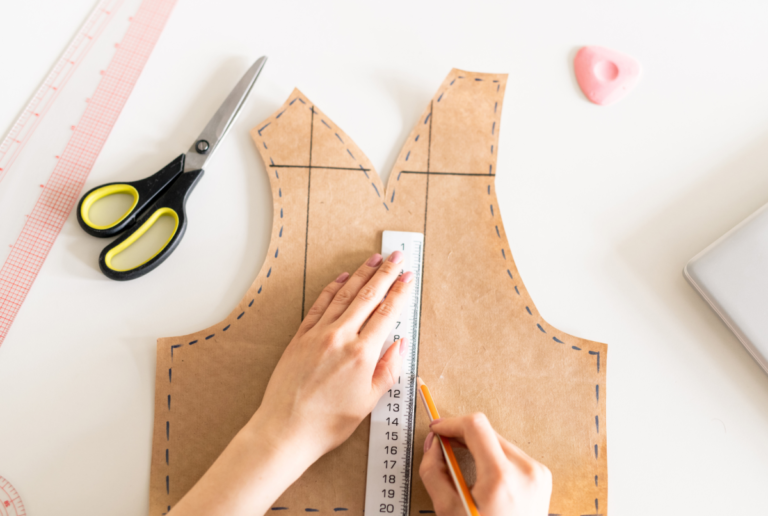
Sew Mindfully: Careful project planning can help maximize material use and minimize waste, fostering a more thoughtful approach to crafting.
- Use pattern layouts that minimize scraps
- Save offcuts for patchwork or stuffing
- Explore zero-waste garment patterns
3. Buy Less, Choose Better
Instead of over-buying, invest in high-quality materials you truly love. Sustainable sewing values intention over quantity. If you find materials you love in bulk, that’s amazing! Buying in bulk helps minimize packaging waste and can be very economical in the long run especially if you are selling your crafts.
4. Maintain and Repair Your Sewing Tools
A well-maintained sewing machine lasts decades! Regular cleaning, oiling, and tune-ups reduces the need for replacements and conserves resources. You may spend a bit initially on a good machine, but knowing it will operate efficiently and can be maintained for years saves so much energy and time in the long run!
Choosing eco-friendly sewing supplies is more than a materials decision, it’s a philosophy! Sustainable crafting honors the time, labor, and resources behind every stitch. It reconnects us with sewing’s generational roots: mending, making do, and crafting with a purpose and a conscience.
By choosing sustainable materials and adopting thoughtful practices, you contribute to a healthier society while supporting ethical production! Every mindful choice contributes to a healthier planet and a more intentional creative practice.

Sew slowly. Sew thoughtfully. And let your work reflect not just your style, but also your values. I have MANY DIY articles you can start with if you want, from making your own clothing patterns, to this article about recycled clothing projects! If you love to travel, I highly recommend this tutorial on how to flip a found thrift bag from your trip into something stylish you’ll use a long time. And if we are on the topic of traveling… i’ve got a brand new website that can teach you how to travel for almost NO COST.
Whether you’re sourcing materials from online stores, your travels, or just exploring the offerings of local shops: the journey to sustainable sewing is both rewarding and impactful, I promise! Happy crafting, as you stitch together creativity and sustainability this year!