20+ Christmas Sewing Projects You Can Make In One Afternoon
Even before I began sewing, I loved making Christmas sewing projects. I would use fabric glues, a hand-sewing needle, and even hot glue guns to make handmade gifts and home decor. I couldn’t get enough of it. While Creative Fashion Blog has hundreds of tutorials, it doesn’t have a huge variety of holiday sewing tutorials … until now.
There’s something magical about creating handmade gifts for Christmas. Every stitch, every fabric scrap, every button feels more meaningful when you know it’s going to someone you love.
Now that I can actually sew, I’ve collected some of the best DIY Christmas gifts that you can make.. even on a budget. These Christmas sewing projects are perfect for family, friends, coworkers, or anyone on your holiday list.
Whether you want affordable Christmas gifts, easy Christmas sewing projects, or a unique Christmas stocking sewing pattern, this guide includes free tutorials and printable patterns to make your handmade holiday unforgettable.
I scoured the depths of the internet and the best of Pinterest to bring you the best Christmas sewing projects.
The best part? Each creative project below comes with full instructions and a free sewing pattern. I’m so grateful for all the sewists and craft bloggers who created these incredible projects this Christmas so we can make this the best, more heartfelt holiday yet!

Before we dive into the projects, let’s talk about why sewing gifts is such a powerful way to celebrate the holidays:
-
Affordable: Many of these projects use fabric scraps or thrifted materials, making them ideal for tight budgets.
-
Personalized: Unlike store-bought gifts, these can be customized for your recipient’s favorite colors or patterns.
-
Eco-friendly: Reusable fabric wrapping and hand-sewn items cut down on waste.
-
Memorable: Every handmade piece becomes part of your family’s Christmas traditions.
From cozy slippers to elegant Christmas stockings, let’s explore the best projects to sew for everyone on your list.
The Most Versatile Christmas Stocking Sewing Pattern (Free Printable!)
It seems like every winter during the most wonderful time of the year, I revamp my holiday decor and want a different style of Christmas stocking: one year it was rustic plaid, the next year metallic velvet. That’s why for this Christmas craft, I created this super-simple Christmas Stocking Sewing Pattern for you guys! You can personalize it for each family member, add names, or use different fabrics to create an elegant Christmas stocking set that looks store-bought. Buying new stocking can get expensive, and making them yourself only takes a few steps! Plus, this beginner friendly pattern can be used to match virtually any home decor. Print and download this free pattern here to make your own.
DIY The Ugliest Christmas Sweaters For Couples!
This project is pure fun: ideal for date nights or Christmas gift exchange games. You can use thrifted sweaters and embellish them with ribbons, sequins, pom-poms, or felt cutouts. Jon and I had soooo much fun coming up with these DIY Ugly Christmas Sweater ideas I just had to share them with you! This project was so fun to create and even more fun to wear out together. These ridiculous sweaters garnered so many compliments! I can’t wait to show you how.
These DIY ugly Christmas sweater ideas are so simple to complete. Since they’re meant to be over-the-top, they’re perfect DIY Christmas gifts for coworkers, couples, or that friend who loves a laugh. You really can’t mess it up. If the sparkles fall off- that’s okay! If your tinsel statement sleeves snags on a stairwell- no biggie. This is a project where you can really get creative and just have fun. The more ridiculous it looks in the end, the better! See the full tutorial here.

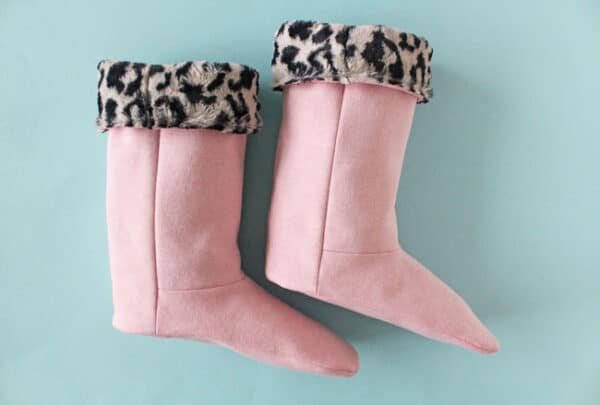
It seems like as soon as the weather gets cold, I want to put my slippers on and never….. and I mean never take them off again. This printable sewing pattern from Tilly and The Buttons is free to print and make yourself and doesn’t use much fabric, making it the perfect stash-buster. Use fleece, faux fur, or flannel, and you can make matching pairs for the whole family. I’m excited to make these in several sizes for my kiddos this year. See the full tutorial and make your own by clicking here.
If you’re searching for the best gift for your wife at Christmas, these handmade slippers will win her heart. They’re soft, warm, and made with love.. what more could anyone want?

This quick and easy no-sew Christmas Tree Skirt can be made with a sewing machine or without. A DIY felt tree skirt can be hand-stitched or glued together, making it ideal even if you don’t sew much. I love projects with some added versatility! Plus, since it’s made of felt, this little project is inexpensive too. It’s a Christmas project to sew that doubles as an affordable home décor upgrade. You could also use leftover felt or sturdy fabric in red, white, or forest green, and add simple embellishments like buttons or embroidery. Top off your holiday decor with this cute floral tree skirt from Live Love DIY. Click here to see the full tutorial.

Upgrade Your Holiday Decor With A Festive Patchwork Pillow: A Gift for Friends or Family
If you are new to quilting, starting out by making a simple pillow is great way to “dip your toes and test the water.” It’s a perfect Christmas sewing project for beginners and can be customized to match any décor style. Make a set of these for a perfect mass craft night of Christmas gifts for friends or a cute Christmas gift for parents! With this basic log cabin design, you can also make other holiday quilted pillows, Valentine’s Day pillow variations, etc. by switching out the prints ad colors you choose. Use classic holiday prints or go neutral for an elegant look that works year-round. Fun and easy right? See the full tutorial and print this sewing pattern by Polka Dot Chair here.

Make Reusable Gift Wrapping With This DIY Santa Sack (An Affordable Family Christmas Gift)
Somewhere around December 15th do you just get exhausted from wrapping all those presents? Me too. That’s where Christmas sewing projects like this one from Apple Green Cottage come in. This DIY Christmas project to sew will save you time and money for years to come. Instead of disposable wrapping paper, make a reusable Santa Sack that can be used year after year. Make it once and then re-use it again and again year after year. Personalize each bag with embroidery or iron-on letters: great for Christmas gifts for teens or Christmas gifts for grandparents who appreciate eco-friendly ideas. You’ll save some time and create a fun, family heirloom that only makes the holidays even more magical. See the complete tutorial by Apple Green Cottage here.

Add Some Whimsy With Stuffed Christmas Gnomes: A Cozy Handmade Favorite
Nothing says “whimsy” like a handmade gnome. These plushies are ideal Christmas gifts for a family: especially for kids who love soft toys. Since the holidays are all about comfy, cozy settings and handmade memories, why not embody all of them with these Christmas gnomes? These cute and quirky plush gnomes make great holiday decor that the kids will love to snuggle up with while you read bedtime stories. Each gnome uses only small fabric scraps, making this one of the most affordable Christmas gifts on the list. They are an excellent fabric-buster for using up those scraps of holiday prints! See the full tutorial by Skip To My Lou here.

Upgrade Holiday Baking With Festive Pot Holders (Best DIY Christmas Gift for Coworkers)
Special memories call for special baking gear, right? If you want to make multiple small gifts quickly, pot holders are perfect. These easy Christmas sewing projects are beginner-friendly, and you can make a set in under an hour. These holiday potholders from Polka Dot Chair are fun to make, a great introduction to quilting, and add a festive touch to your kitchen during the happiest season of all. They’re also excellent DIY Christmas gifts for coworkers, teachers, or neighbors: thoughtful, functional, and affordable. Learn how to make your own with the full tutorial here.

This charming project makes a heartfelt Christmas gift for parents, especially moms who love to bake or host. The Mrs. Claus apron combines cute style with practicality. Or make it for yourself! Hosting guests this Christmas just got an upgrade with this Christmas sewing project by My Golden Thimble. Regardless of if you are making your kids a quick breakfast or entertaining a holiday get-together, this cute little apron adds some extra holiday cheer. Click here to see the full tutorial and download and print this sewing pattern.

For a chic touch, try this elegant Christmas stocking-inspired pillow. It features textured tree appliqué on neutral fabric, creating cozy cabin vibes. I love the texture and charm of this Christmas Tree pillow by On Sutton Place. Gift it to your girlfriend or grandparents as a decorative accent. It’s soft, timeless, and completely handmade. Since it’s got so much texture, you can even use it as a pillow cover for your regular pillows throughout the holidays to save valuable storage space. Tutorials like these Christmas sewing projects are great because it comes together easily, is great for beginners, and add loads of cozy charm. See the full tutorial here.

I don’t know about you, but my daughter can’t get enough of mermaids lately. What better way to bring them into the season of magic, creativity, and homemade goodness than with this free sewing pattern by Jennie Masterson? This simple tutorial comes with a free printable sewing pattern to make this Christmas sewing project come together quickly and easily. Make the holidays more magical with a mermaid-tail stocking pattern! Plus, it’s a great way to snuggle up with the little ones on a cold afternoon to make together. See the full tutorial by Jennie Masterson here.

These letters are so fun to make you will be making them for everyone. These are such fun Christmas projects to sew: this free sewing tutorial is just your starting point. Enlarge your favorite font to make your own letters and spell anything you want. In this tutorial by Thermoweb, you’ll learn how to add piping, create templates, and create these unique stuffed word pillows. Grandparents love these kinds of gifts because they’re personal and display beautifully on shelves or couches. What better Christmas sewing projects could you ask for? See the full tutorial here.

If you want a playful stocking with character, try this Dr. Seuss-style Christmas stocking pattern. It’s curved, quirky, and eye-catching.
These make adorable family Christmas gifts: one-of-a-kind decorations that add a handmade touch to every home. Craft extra whimsical Christmas sewing projects this year with these Elf inspired stockings by Easy Peasy Creative. The long shape, quirky design, and free printable sewing pattern make them a great addition to your holiday decor that any elf would absolutely be proud of. See the full tutorial and print your free sewing pattern by clicking here.

Make a bold statement with this Christmas sewing project that doubles as art. The stuffed stag head pattern creates an impressive piece for your wall.. rustic, festive, and full of personality.
This is perfect for a Christmas gift for a family who loves cozy lodge décor or Scandinavian style. Since stag heads have become such popular home decor over the last several years, why not make a giant one for your holiday decor? The bigger the better right? When you are making your Christmas sewing projects, be sure to add this one to your list since it makes such an impactful gift: one you can make a tradition of hanging up together year after year. You can download the printable template and full instructions by Pillar Box Blue here. Enjoy!

Gift idea: Bundle one with popcorn and cocoa for a ready-made DIY Christmas gift basket.
Soft fleece blankets are an easy way to make affordable Christmas gifts that feel luxurious. While we’ve all seen the no-sew, knotted fleece blankets floating around Pinterest, these modern throws by It’s Always Autumn are far more sophisticated. In this quick and easy tutorial, you’ll learn three professional-looking methods to finish off a deluxe fleece blanket. Each method is quite simple (30 minutes should do it), but the result is a more grown-up, expensive-looking blanket. See the full tutorial by It’s Always Autumn here.

Repurpose old fabrics or thrifted flannel shirts into rustic stag pillows. They’re inexpensive to make and perfect for Christmas gifts for girlfriends and boyfriends, since often clothes that remind you of them wear out anyway. It can make this gift very sentimental! When you are ready to switch out your summer couch pillows for a more wintery hue too, this tutorial by The Craft Patch is full of inexpensive ideas to update your decor on the cheap. By using thrift store fabrics and clever ideas, you’ll easily update your holiday decor… and your bank account or significant other will love it too. See the full tutorial by The Craft Patch here.

Make a cute festive felt teddy bear with this free pattern by All Mom Does. This cute little guy can either be made together as a Christmas craft night with kids, or made to be a stocking stuffer. This pattern can be used all year round and made with scraps you have around the house! Check out the easy free pattern HERE.

If you’ve ever wondered how to decorate your bathroom for Christmas, this project’s for you. These embroidered or appliqué towels are fast, useful, and great DIY Christmas gifts for coworkers or hosts.
Bundle several together for an easy DIY Christmas gift basket idea. Cute hand towels are meant to be used right? This adorable design and textured details bring the holidays into your bathroom as well. I can’t be the only one who struggles with how to decorate the bathroom for Christmas right? This simple tutorial by Flamingo Toes can even be completed in batches to make the most useful hostess gifts. See the full tutorial here.

Combine sewing with your Cricut machine to make a personalized advent calendar. Sew fabric pockets onto a felt or quilted backing: it’s perfect for candy, love notes, or small toys.
This makes an incredible Christmas gift for parents or families starting new holiday traditions. If you have a Cricut at home, you know just how fun making professional-looking home decor can really be. This tutorial by Sweet Red Poppy is surprisingly simple and looks adorable when you’re done. The kids will absolutely love this festive and detailed little countdown. See the full tutorial here.

Each night when we snuggle up for a Christmas bedtime story, my kids need to pick a new stuffed toy to bring. By adding more holiday plush toys to our Christmas sewing projects, my kids only handmade memories. This little guy comes with a free printable template and only requires a small amount of faux fur to make. Everything else can be made from scraps and other sewing room findings. Don’t you just love that? Click here to see the full tutorial and printable template by Sew Can She.

Don’t forget presentation! Handmade Christmas projects to sew deserve thoughtful packaging:
- Wrap in reusable fabric (furoshiki-style).
- Add a tag that says “Made with love.”
- Include care instructions for handmade items.
Even the smallest handmade creation: whether it’s an elegant Christmas stocking or a cozy pillow — carries your time, energy, and love. If your family or sewing group does Christmas gift exchange games, one of the best things to do is include something handmade like these quick projects! They’re affordable and meaningful and will bring up cherished memories when you look at them. Sewing for Christmas is more than crafting: it’s storytelling through fabric. Every project you make brings warmth and connection into your home and the homes of those you love.
So grab your sewing kit, pick your favorite Christmas projects to sew, and get started early. Your handmade gifts will be the ones everyone remembers most.
Loved These Christmas Sewing Projects? Pin the Image Below To Save This Article For Later